Article gallery
Settle in.
Read comfortably.
Browse full nutrition articles, myths and facts, and press features in an adjustable, distraction-free reader.
Browse by topic
Browse all 43 items.
Everyday nutrition 8 items
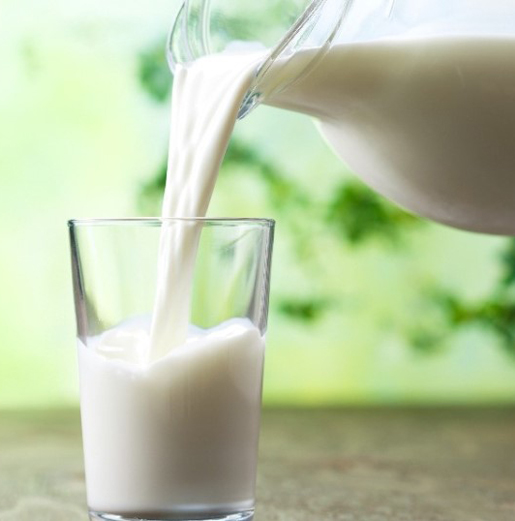
Article · Everyday nutritionShould YOU drink milk or not?
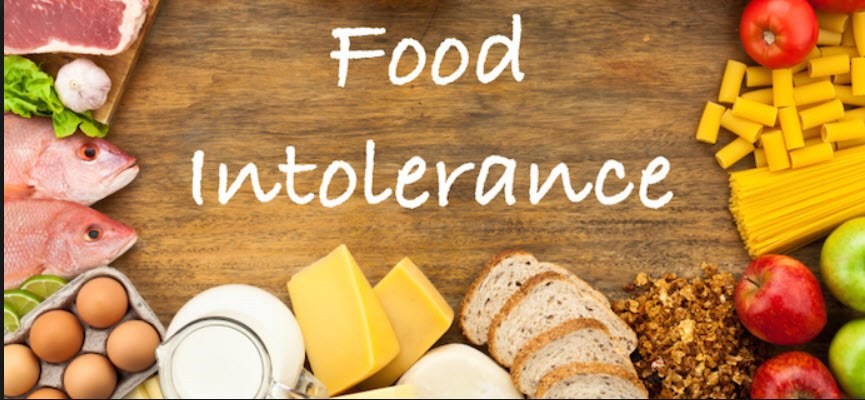
As a nutrition professional, I have witnessed drastic changes in some of the basic concepts based on which diets are designed. A lot of unlearning in the past years had to be made for cracking some tough cases. Often asked these days, should I stop gluten rich grains or drinking milk, clients see it as a trend and jump into it without thinking if they indeed need to give up roti, dalia or their favorite wheat bread sandwich with cheese.
The protests around Jallikattu brought out a lot of facts around native cows, the A1, A2 milk which fuelled a much-debated issue of whether we humans need cow’s milk. Individuals do react to the SUGAR (lactose) or PROTEIN(casein/ whey) in milk . Absence of the enzyme lactase makes it difficult to digest milk and causes stomach pain, burping, flatulence, diarrhea that are typical symptoms of lactose intolerance. The tolerance varies with each individual, for some curd is easy to tolerate but a cheese sandwich can cause much discomfort.
CASEIN is a slow digesting protein, that is our humble paneer while the water that separates out is WHEY. Casein is similar in structure to gluten and some of those who are intolerant to gluten are also sensitive to casein.
Casein comes in 2 variants - A1 and A2 beta casein that was very much in the. A1 beta casein appeared as a result of cross breeding between native breeds and other imported breeds while A2 is the original one. So if one has a native cow which is grass fed and allowed to roam free in green pastures, the milk truly is nutritious with conjugated linoleic acid (CLA) which helps reduce fat and increase lean muscle mass. The saints and our great grandparents must have consumed this kind of high quality milk.
Concerns about milk in real life
Few years back, my friend who is a pediatrician mentioned about her research with Downs syndrome children, whose repeated chest infections reduced drastically once they children stopped dairy products. My mentor, a well known nutritionist had severe allergy issues, rhinitis for almost 8 years until her Ayurvedic physician recommended a dairy free diet .Her health improved tremendously and she has switched to other sources of calcium in her daily diet. One of my clients, who is a fashion designer saw tremendous improvement in her psoriasis when she stopped consuming dairy products.
Some of my clients were not losing weight inspite of the regular clean eating – exercise- high protein – high fibre – good fats routine and going dairy free made a difference. Trust me, they did not exhibit symptoms of lactose intolerance.
Wait before you arrive at any decision:
Milk is a good source of calcium, phosphorus, B complex vitamins but one needs authentic old-fashioned milk, then it carries all the nutrients that support good health.
The non IgE mediated cow’s milk protein allergy triggers allergy several hours after consumption.
Individual who have severe allergies, are lactose intolerant should perhaps try elimination diets and then reintroduce plain milk, curd, cheese in varying amounts to see if they can tolerate these various forms of dairy.
People who suffer from hives, eczema, psoriasis, bloating, gas, flatulence, wheezing, cough, nausea, stomach cramps can try going on dairy free diet for 30 days – in fact 3 months would be appropriate and then reintroduce and check for symptoms.
The non-dairy calcium alternative are
- Sesame seeds
- Millets
- Green leafy vegetables
- Dried beans like rajma, chickpeas, black, urad dal ,figs
- Tofu
- Soya enriched with calcium
Note: The leafy greens have oxalates; millets have phytates that can interfere with bioavailability. Seek help from a professional to design a balanced meal plan.
For the fitness enthusiasts, plant protein powders (peas, flax, hemp) are easily available in the market.
Hence, each individual is different and reacts to various foods. Don't be a victim of fad diets and go with market trends. Check if you truly have a medical condition before you eliminate major food groups from the meal plan. Create your own template of foods that suits you well and helps you work at your optimal energy levels.
Article · Everyday nutritionThe Power of Seeds
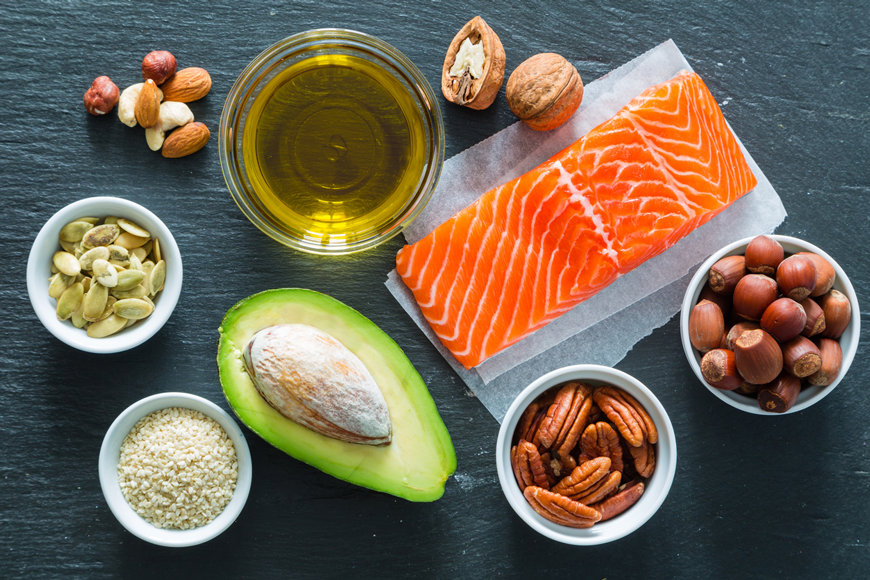
Seeds are very nutritious with their essential fats, vitamins, minerals and fiber. These are best eaten raw, unsalted and definitely not roasted. Subjecting to heat in roasting can make the fragile oil break and make it unhealthy food stuff. Eat raw, soak, ground and even extract milk or make it as a paste but don't sugar coat them / roast/ fry / subject to heat. Exposure to sunlight or air can make it rancid very soon – hence store in refrigerator.
The" Best Picks" are
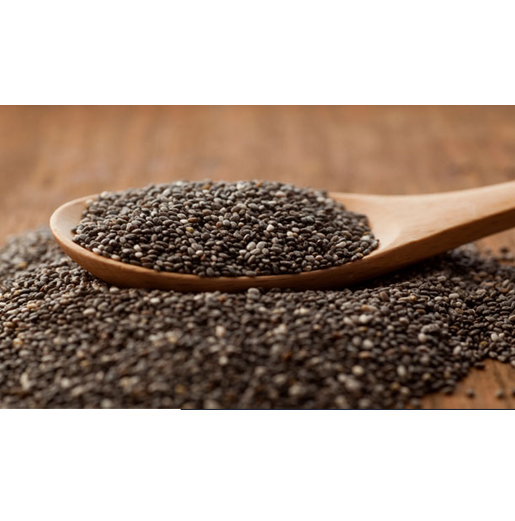
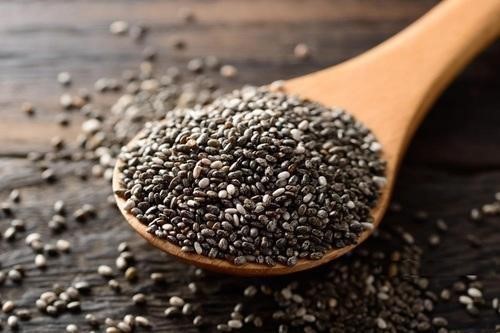
Chia - a good source of Omega 3 fatty acids, fiber, a good hydrant (helps hold water, great for runners). The Tarahumara tribes known for their long distance running ability attribute their strength to chia seeds, as one of their power foods.
How to use: - soak 1tbsp in water for 2-3 hours or overnight. Add to yogurt / cut fruits bowl /coconut water/ juices or smoothies/ just plain with water. Don't add to warm beverages.
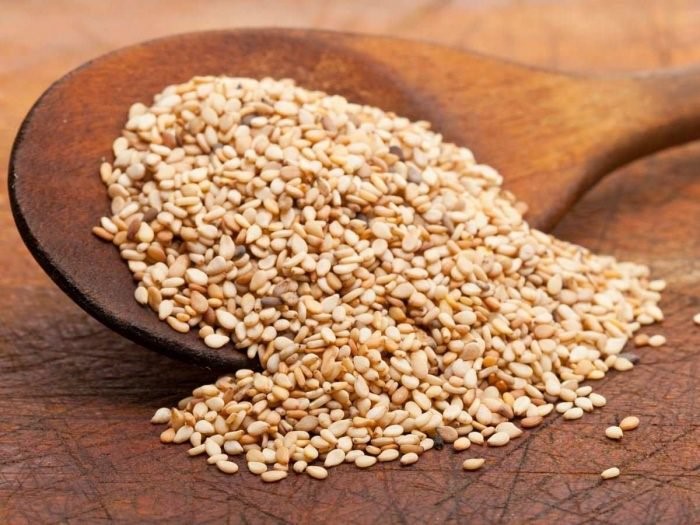
Sesame- an excellent source of copper, a very good sources of manganese & protein, calcium, iron, zinc, molybdenum, thiamin, selenium and dietary fiber. It helps prevent diabetes, reduce Blood pressure, lowers cholesterol, good for digestion ,for healthy skin, boosts heart health, prevents cancer, alleviates anemia, protects from radiation damage to DNA, relieves arthritis, protects liver from alcohol, encourages bone health & prevents osteoporosis, good for oral & respiratory health and hair benefits.
How to use: - it can be used in the bakery batter/ sweets /topping on grilled or roasted recipes / sprinkled with lemon juice / in the form paste and oil.
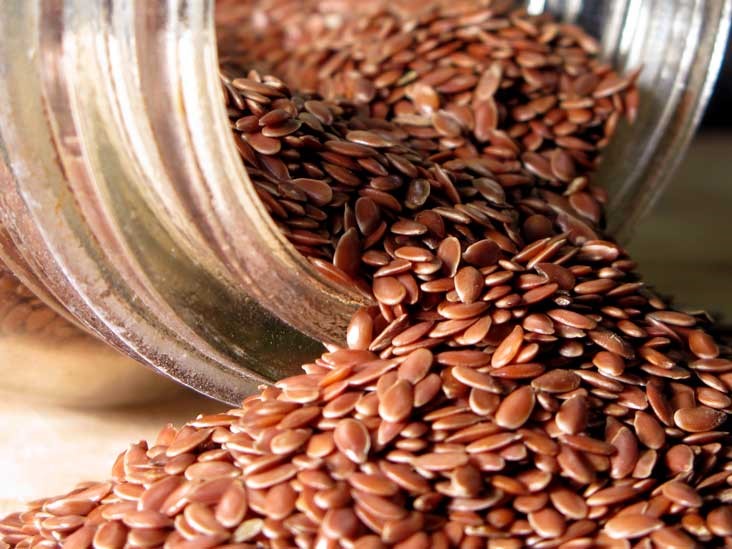
Flaxseeds - also called as linseeds are a rich source of dietary fiber, ALA and lignans, manganese, thiamin and omega 3 fatty acids. Flax seed may have a protective effect against heart disease, stroke, diabetes, Parkinson’s disease, asthma breast cancer, prostate cancer, and colon cancer.
How to use: 1 to 2 tsp of flaxseed powder can be added in cereal/ juice/ smoothies/ soup / yogurt.
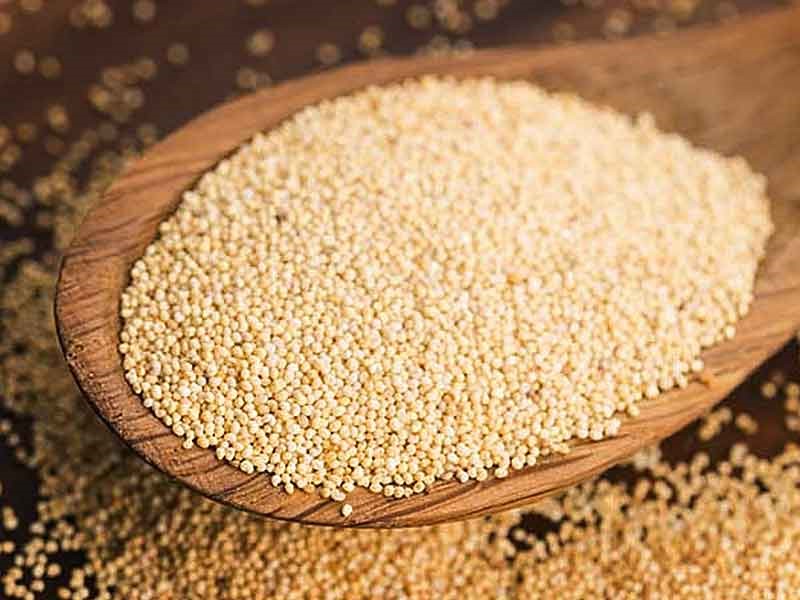
Poppy seeds or Khus khus - add color and crunch to baked goods, but you will also gain nutrients. It’s a wonderful beauty aid. Poppy seeds are excellent source of oleic and linoleic acids, fiber, thiamin, pyridoxine, riboflavin, calcium, magnesium, zinc, niacin and folic acid and its helps to increase good cholesterol levels ,increase bulk of the food, decrease bad cholesterol level, treats carcinoma, eczema and its effective in quenching thirst, fever ,inflammation ,constipation and irritation of the abdomen.
How to use: - Poppy seeds should be soaked in warm water or milk for 2hours, drain and leave to dry, these soaked seeds can be use alone or ground with other spices to thicken gravy or curries or toasted poppy seeds are often used to garnish breads and rolls, ground in sauces and pastry fillings or added to vegetables, sweets and salad dressing.
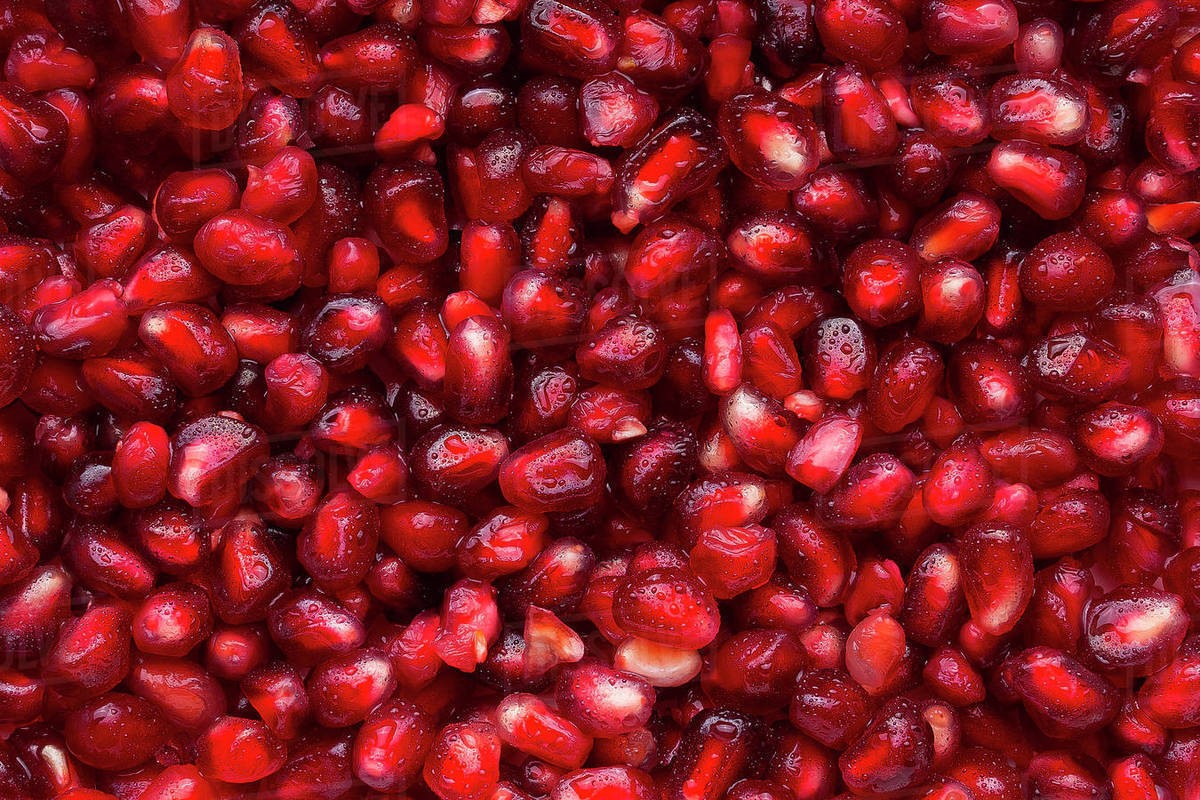
Pomegranate seeds - rich source of vitamin C, potassium, fiber, low in calories that may promote heart disease heart health, weight management and help to prevent cancer.
How to use: stir the seeds into yogurt or toss pomegranate seeds with oil and spices and pour the mixture over the sprouts, salad or as a tasty topping for grilled or roasted recipes.
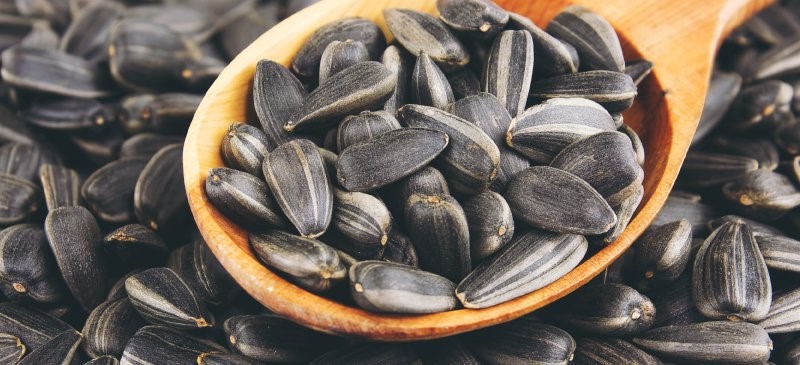
Sunflower seeds – are packed with health benefits that can help us from head to toe. Sunflower seeds are rich in selenium, calcium, copper, vitamin E, and magnesium. It helps to control cell damage, bone- healthy minerals, keep us calm, treats migraines, stress and helping us relax, and bring a glow to the skin.
How to use:-sprinkle them on the salad, granola, and stir –fries. Stir them into yogurt, sandwiches, rice, and pasta or knead them into the dough.
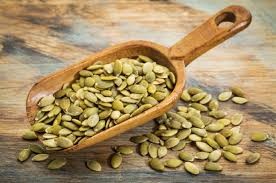
Pumpkin seeds- One –quarter cup of pumpkin seeds contains nearly half of the recommended daily amount of magnesium and it contains antioxidants, zinc, omega 3 fatty acids, tryptophan and fiber .Helps to improve immune supports, maintains healthy heart, important for prostate health, increase good cholesterol level, promote a restful sleep.
How to use: - It should be eaten raw.
Article · Everyday nutritionVegan - The plant Based Diet
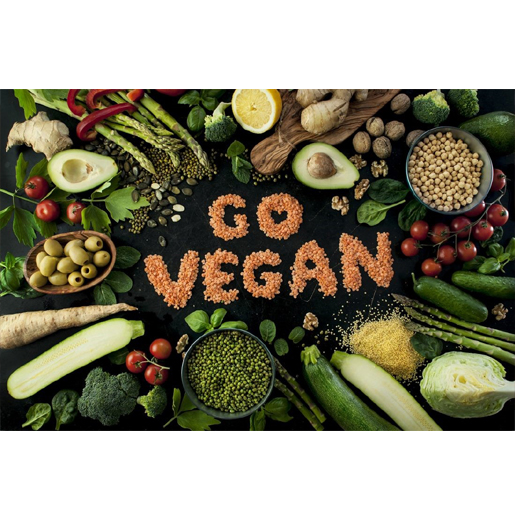
Veganism is the way of eating by a group of people who choose to avoid animal products for health benefits, environmental and ethical reasons. It is called Vegan. It is a plant based diet. They are basically vegetarians who avoids eating meat, fish and poultry. They also make sure that they do not consume animal products like egg, dairy products, honey and also avoid animal based articles like bags or purses or dresses or cosmetics made out of the animals skin, fur, wool, wax, fat.
A basic vegan diet includes fruits, vegetables, green leafy vegetables, whole grains, nuts, seeds, cold pressed oils and legumes. Variety of food is absolutely important for a nutritionally sound vegan meal.
Pros
- Promotes weight loss
- Reduces the risk of various illness like cholesterol, heart disease, type 2 diabetes as the diet is low in saturated fat
- Improves digestion, absorption and excretion
- Packed with lot of nutrients such vitamins, minerals and antioxidants
- Mind alertness and self control
- Encourage variety to the plate
The vegan diet may have positive effect to our body but it may also have some nutritional deficiencies which will not be prominent.
Cons
- It is expensive and it can be inconvenient.
- May miss out on vital nutrients- calcium, vitamin B12 ,folate, vitamin D, iron,zinc
- Prone to nutritional deficiencies
- Not easy to follow. Proper understanding of veganism is necessary
- Limited eat out options
Want to be a Vegan? Get started with these simple guidelines
- Consider regular master health check up and physician consultation
- Consult a qualified nutritionist who will help to plan a nutrient dense meal with variety
- Learn to cook different vegan recipes
- Implement the habit of reading labels carefully in packed foods . Helps to identify animal based products
- Make a gradual transition to vegan. Check if your body is getting adapted and you are feeling comfortable with the transition.
Researches show that there is gradual benefits in health and ecological aspects in following a plant-based diet. But make sure whether you are making the right choice for you.
Article · Everyday nutritionMYTHS AND FACTS
MYTH 1: EGG YOLKS ARE BAD FOR YOU. THEY SHOOT UP YOUR CHOLESTEROL LEVEL
Fact: Media has done one good job of scaring you away from perfectly healthy foods. Eggs have been demonized because their yolks, which are chock-full of nutrients, contain high levels of cholesterol. To be more Precise, in clinical trials, no association was found between eggs and cardiovascular disease, except maybe in some people with specific pre-existing conditions such as diabetes or hyperglycemia.
Truth:Eggs are a great source of protein, fats,biotin and other nutrients. Their association with high cholesterol and cardiovascular disease has been severely overblown.
MYTH 2: SKIPPING BREAKFAST IS A SIN
Fact: “Breakfast is the most important meal of the day” is something we have all heard before from parents, health bloggers, doctors, and ad campaigns. But the health advantage of consuming a regular breakfast has been overhyped. Another popular claim is that skipping breakfast can crash your metabolism. But studies in both lean and overweight individuals have shown that skipping breakfast does not inherently slow your resting metabolic rate (RMR).
Truth:You don’t need to eat breakfast to be healthy or lose weight. You should base your breakfast consumption on your preferences and personal goals. Feel free to experiment to see if you want to make skipping breakfast a habit.
MYTH 3: IF YOU ARE CRAVING CERTAIN FOOD, IT’S BECAUSE YOUR BODY NEEDS THE NUTRIENTS THEY PROVIDE
Fact: If this were true most people would be craving Fruits and Vegetables, your best source of nutrients, vitamins and Minerals. When you have a craving, ask yourself what could be contributing to cravings. It can be biological which involves shifting or surging hormones, a sensory temptation after you watch a TV Commercial etc. When you are craving something sinful, select a healthy meal first and if you still remain hungry then have a piece of cake and move on.
Truth:We all have cravings for different kinds of reasons. If you focus on those good-for-you foods first, a little junk every now and then won’t hurt.Portion control is vital.
MYTH 4:TO LOSE WEIGHT, YOU HAVE TO GIVE UP ALL YOUR FAVOURITE FOODS
Fact: You don’t have to give up all your favorite foods when you’re trying to lose weight. Small amounts of your favorite high-calorie foods may be part of your weight-loss plan. Just remember to keep track of the total calories you take in.
Truth:To lose weight, you must burn more calories than you take in through food and beverages.
MYTH 5: ALL FATS ARE BAD FOR YOU
Fact: Eat fat, gain fat, right? For many decades, the traditional way to lose weight has been to subject oneself to a low-fat diet. Far from being healthy, shunning all fat from your diet can be dangerous, since your body needs to consume at least some omega-3 and omega-6 fatty acids. At the end of the day, trans fat is the only kind of fat that has been shown to be categorically detrimental to health — a little won’t kill you, but avoid it when you can.
Truth:If you stay in a caloric surplus, a low-fat diet won’t make you lose weight. You need some omega-3 and omega-6 fatty acids, and saturated fat won’t give you a heart attack (but too much trans-fat may).
MYTH 6: IT IS BEST TO EAT MANY, SMALL MEALS THROUGHOUT THE DAY TO IMPROVE METABOLISM
Fact: It is often claimed that people should eat many, small meals throughout the day to keep the metabolism high. But the studies clearly disagree with this. Eating 2-3 meals per day has the exact same effect on total calories burned as eating 5-6 (or more) smaller meals. Eating frequently may have benefits for some people (like preventing excessive hunger), but it is incorrect that this affects the number of calories we burn. There are even studies showing that eating too often can be harmful especially for individuals with insulin resistance.
Truth: It is not true that eating many, smaller meals leads to an increase in the number of calories burned throughout the day. Frequent meals may even increase the accumulation of unhealthy belly and liver fat.
MYTH 7: ALL CALORIES ARE CREATED EQUALLY
Fact: Eating 300 calories of chicken is not the same as eating 300 calories of cake. The body uses and stores calories differently depending on the nutrients each food is comprised of.
Truth: Instead of going about with counting calories, study the nutritional composition of the food. That will help you remain healthy.
MYTH 8: BEING SLIM MEANS YOU’RE HEALTHY
Fact: This myth is a tough one to let go of, because our society is so focused on body size. Everywhere we look, society seems to tell us that being slender is more desirable. Luckily, this myth is starting to dissolve. Research suggests that overweight people who are active can be healthier and live longer than slimmer people who don’t exercise. We all have different body types, and it’s about time we stopped focusing on size and shifted our focus on developing healthier habits.
Truth: Eat healthy, Exercise Regularly. This is the Mantra for a happy and Healthy life.
Myth & fact · Everyday nutritionMYTH 2: Skipping Breakfast is a Sin
Fact: “Breakfast is the most important meal of the day” is something we have all heard before from parents, health bloggers, doctors, and ad campaigns. But the health advantage of consuming a regular breakfast has been overhyped.
Another popular claim is that skipping breakfast can crash your metabolism. But studies in both lean and overweight individuals have shown that skipping breakfast does not inherently slow your resting metabolic rate (RMR).
Truth: You don’t need to eat breakfast to be healthy or lose weight. You should base your breakfast consumption on your preferences and personal goals. Feel free to experiment to see if you want to make skipping breakfast a habit.
Myth & fact · Everyday nutritionMYTH 3: If you are craving certain food, it’s because your body needs the nutrients they provide
Fact: If this were true most people would be craving Fruits and Vegetables, your best source of nutrients, vitamins and Minerals. When you have a craving, ask yourself what could be contributing to cravings. It can be biological which involves shifting or surging hormones, a sensory temptation after you watch a TV Commercial etc. When you are craving something sinful, select a healthy meal first and if you still remain hungry then have a piece of cake and move on.
Truth: We all have cravings for different kinds of reasons. If you focus on those good-for-you foods first, a little junk every now and then won’t hurt.Portion control is vital.

Myth & fact · Everyday nutritionMYTH 5: All Fats are BAD for You
Fact: Eat fat, gain fat, right? For many decades, the traditional way to lose weight has been to subject oneself to a low-fat diet. Far from being healthy, shunning all fat from your diet can be dangerous, since your body needs to consume at least some omega-3 and omega-6 fatty acids. At the end of the day, trans fat is the only kind of fat that has been shown to be categorically detrimental to health — a little won’t kill you, but avoid it when you can.
Truth: If you stay in a caloric surplus, a low-fat diet won’t make you lose weight. You need some omega-3 and omega-6 fatty acids, and saturated fat won’t give you a heart attack (but too much trans-fat may)
Myth & fact · Everyday nutritionMYTH 6: It Is Best to Eat Many, Small Meals Throughout the Day to improve metabolism
Fact: It is often claimed that people should eat many, small meals throughout the day to keep the metabolism high. But the studies clearly disagree with this. Eating 2-3 meals per day has the exact same effect on total calories burned as eating 5-6 (or more) smaller meals. Eating frequently may have benefits for some people (like preventing excessive hunger), but it is incorrect that this affects the number of calories we burn. There are even studies showing that eating too often can be harmful especially for individuals with insulin resistance.
Truth: It is not true that eating many, smaller meals leads to an increase in the number of calories burned throughout the day. Frequent meals may even increase the accumulation of unhealthy belly and liver fat.
Weight & metabolic health 8 items
Article · Weight & metabolic healthWHAT YOU NEED TO KNOW ABOUT INTERMITTENT-FASTING!
WHAT YOU NEED TO KNOW ABOUT INTERMITTENT-FASTING!
Intermittent Fasting (IMF) supercharges your body's ability to use its' body fat as fuel better and is NOT a diet but a way of eating. It mimics what are ancestors did with their cycles of feast and famine. In traditional Indian communities, fasting is an integral part and now there is increasing evidence from scientific community on the benefits. Stubborn weight loss which is usually noticed in insulin resistance, responds well to IMF. Dr Jason Fung’s work on fasting for Type 2 Diabetics is remarkable. The next time when your grand-mom talks about fasting, do not ignore her. Respect ancient wisdom.
Too good to be true? Let's see
SCIENCE BEHIND INTERMITTENT FASTING
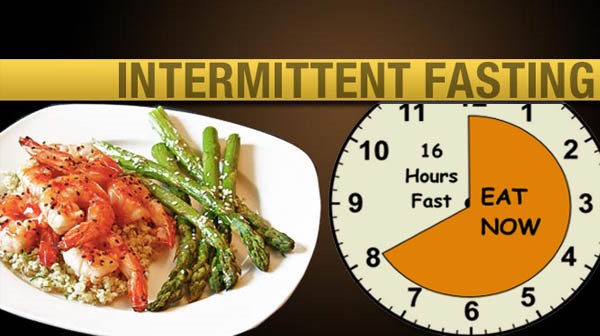
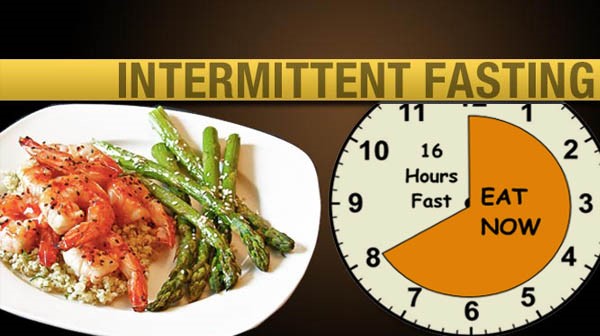
Fasting has been around for thousands of years and commonly practiced in major religions and utilized by medical practitioners. Like most other approaches to weight loss, the overall goal is to reduce calories without malnutrition. However, compared to the other approaches, Intermittent Fasting is focused on ‘WHEN’ to eat and ‘WHEN NOT TO’. You eat within a time window during 24 hours and you fast for the rest. Here are some examples:
- 12:12 – fast for 12 / eat for 12 hours
- 14:10 – fast for 14 / eat for 10 hours (this seems to work best for women)
- 16:8 – fast for 16 / eat for 8 hours (Men tend to find this protocol works better and gets them the best results)
Insulin-like Growth Factor 1 (IGF-1) is a protein produced by the liver when it is stimulated by growth hormone circulating in the blood. It plays a role in the growth of muscle, bones and cartilage throughout the body, and is critical to growth and development during childhood. Lower levels of IGF-1, induced by calorie restriction, have been shown in rodents to slow the ageing process and protect against cancer.
IMF results in increased fat burning and fast weight loss by forcing your body to use up fat stores as fuel. When you eat, your body uses glucose (sugar) as its primary source of energy and stores whatever is left over as glycogen in your muscles and liver.
When you don’t give your body a steady stream of glucose, it begins breaking down the glycogen to use as fuel. After the glycogen has been depleted, your body seeks out alternative sources of energy, such as fat cells, which it then breaks down to help power your body.
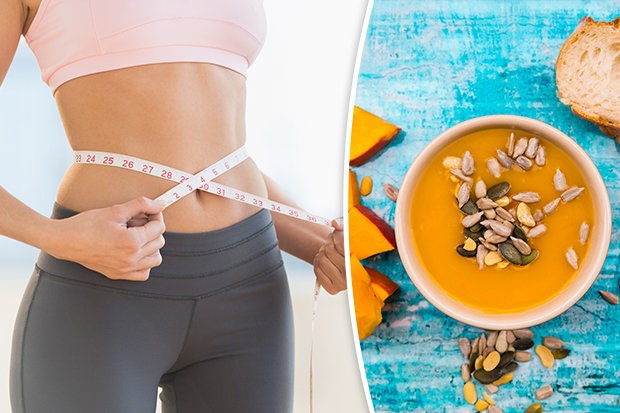
1. PROMOTES WEIGHT LOSS
IMF results in increased fat burning and fast weight loss by forcing your body to use up the fat stores as fuel. A study focused on the 16/8 method of intermittent fasting showed that it significantly reduced fat mass while retaining both muscle mass and strength.
2. REDUCES INFLAMMATION
Studies have proved that longer duration of night-time fasting was associated with decrease in makers of inflammation.
3. KEEPS HEART HEALTHY
One of the most impressive intermittent fasting benefits is its favorable effect on heart health. Fasting can influence several components of heart health. It increases good HDL Cholesterol and decreases both bad LDL Cholesterol and Triglyceride levels. And
4. PROTECTS THE BRAIN
In addition to keeping your heart healthy and warding off disease, some studies have indicated that intermittent fasting protects the health of your brain. IMF enhances cognitive function and protects against changes in memory and learning function
5. DECREASES HUNGER
Leptin, aka the satiety hormone, is produced by the fat cells that help signal when to stop eating. Your leptin levels drop when you’re hungry and increase when you’re feeling full and IMF influences this.

Article · Weight & metabolic healthSAY NO TO FAD DIETS!
SAY NO TO FAD DIETS!
Making good choices can sometimes be hard – but it’s worth it!
We all know that quick fixes and fad diets do not work long term and yet a great many people convince themselves that this time they’ve discovered the secret to easy and rapid weight loss. The only secret is the one kept by the marketers of these diets, which is that you’ll regain the weight as soon as you stop following the diet. However, this isn’t much of a secret, as we’re sure many followers of these quick fixes have been through this cycle at least once already. So, what we should be doing is retraining our brains and attitudes.
Creating bad, good or even easy habits can be addictive by nature, but when it comes to creating long term and permanent commitments, we should be seeking only positive ones. Recognise your strengths and weaknesses when modifying your diet and lifestyle and realise that it’s a long-term commitment, not just an intermittent hobby; meaningful changes will not occur overnight.
Focusing on the micros -micronutrients like vitamins and minerals are crucial for overall health and also for protecting immunity, complexions, skin and nails. Most individuals lose hair and look pale on a crash diet. Adding chia seeds, flaxseeds, seafood, spirulina, seed mixture like melon, cucumber, pumpkin, subza seeds are great ways to enhance the overall quality of a meal. Let’s get real now and talk about ways that are simple, easy, fun and easy to follow to lead a happy and healthy lifestyle.
1. GO NATURAL
Choosing natural foods instead of processed foods is a health no-brainer. Without additives, non- or minimally processed foods — lean meats, whole grains, fresh fruits and vegetables — mean you won't ingest excessive amounts of manmade chemicals.
2. PACE YOUR MEALTIME
When we eat quickly, our bodies don’t always have time to realize we’re full — so it’s easy to overeat. Enjoy what's on the plate and stop eating as soon as that stomach gives the first hint of being full. It's always possible to eat more later.
3. FIND AN EXERCISE REGIME YOU CAN STICK TO
There is no point signing up for an exercise regime you will never stick to in the long term, so for the best results choose something you enjoy and that is fits into the time you have available. Make it as easy as possible for yourself by choosing an activity that can be fit in any time such as running, or if you prefer more structure, a gym class that is at a convenient time and close to your home or work.
4. USE HEALTHY COOKING METHODS
Choosing healthier cooking methods (opens in a new tab) or foods that have been cooked in a healthier way in restaurants is a good start to improving your health. Grilling, baking, steaming and poaching are all good cooking methods that need limited fat added. Frying should be avoided where possible, but if you do fry make sure the oil is as hot as possible as this means less fat is absorbed into the food.
5. DRINK MORE WATER
Staying well-hydrated helps your body function properly, and it also helps make sure you don’t overeat. But it's not just that staying hydrated keeps you from overeating. Sometimes you may feel hungry when, in fact, you're actually thirsty. Basically, no harm can come from drinking a glass of water.
6. COOK FROM SCRATCH AS MUCH AS POSSIBLE
By cooking food from basic fresh ingredients, you are aware of what you are eating and can make healthier choices. This can also help you to cut down your calorie intake, for example if you make a cake from scratch and see the amount of butter, sugar and other high calorie ingredients that go into the batter, you are more likely to eat less of the finished product than if you buy a product with no idea what is in it.
7. SERVE VEGETABLES WITH LUNCH AND DINNER
Another way to ensure you and your family meet you recommended intake for vegetables is to always serve at least two kinds of vegetables with lunch and dinner (not counting potatoes or other high starch varieties).
8. ENJOY YOUR FOOD AND MEALS
Studies have shown that those who sit down to a meal without distractions such as TV tend to consume less. Making time to enjoy and focus on your meal, rather than eating mindlessly whilst you are doing something else is a good way to control your intake. Food is a big part of our culture, so enjoy your food, rather than focusing on dieting or what you can’t eat. Look at the positives and enjoy the great, healthy foods that are available.





Article · Weight & metabolic healthGaining weight the nutritious way
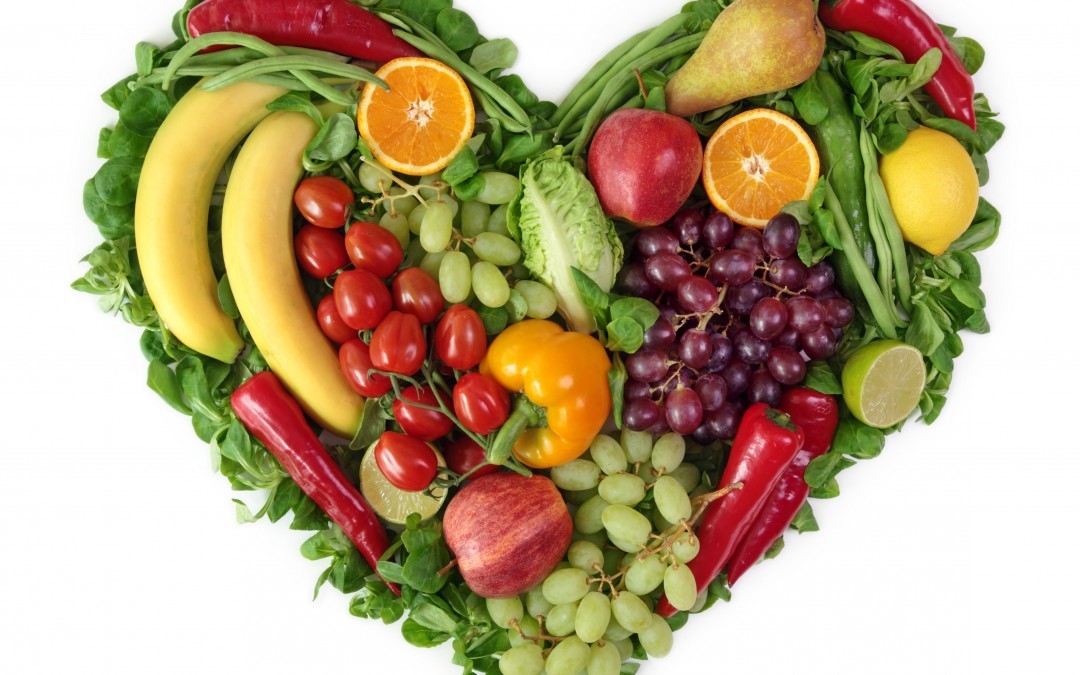
There are many reasons for which an individual looks forward to gaining weight. It can be someone who is below the healthy weight and wants to feel better or a sportsperson who wants to build strength to perform better or an elderly person who has unintentionally lost weight. Gaining weight nutritionally can lead to an overall improvement in health and flexibility.
Here are few TIPS that can help you put on those extra kilos in a healthy fashion:
Make Healthy food choices and combinations
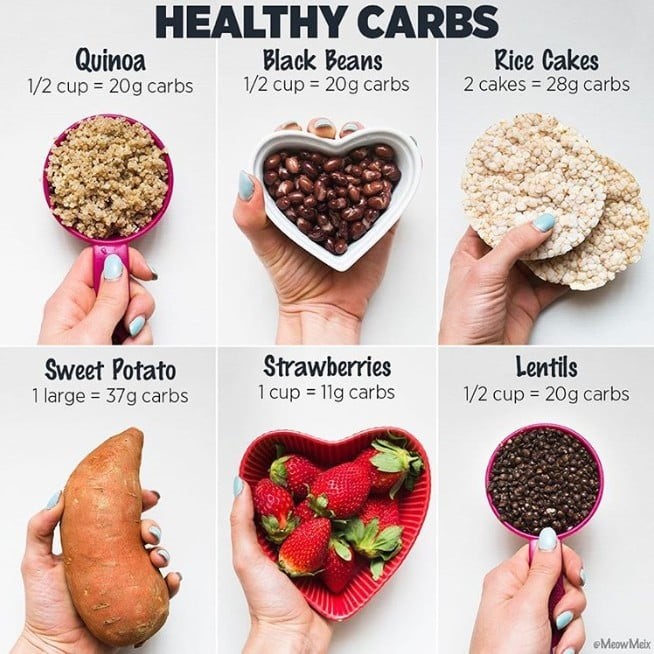
Choose food rich in carbohydrate, protein and good fats.
Combine a cereal and a pulse (or) a cereal and a dairy product to make it as a complete meal.
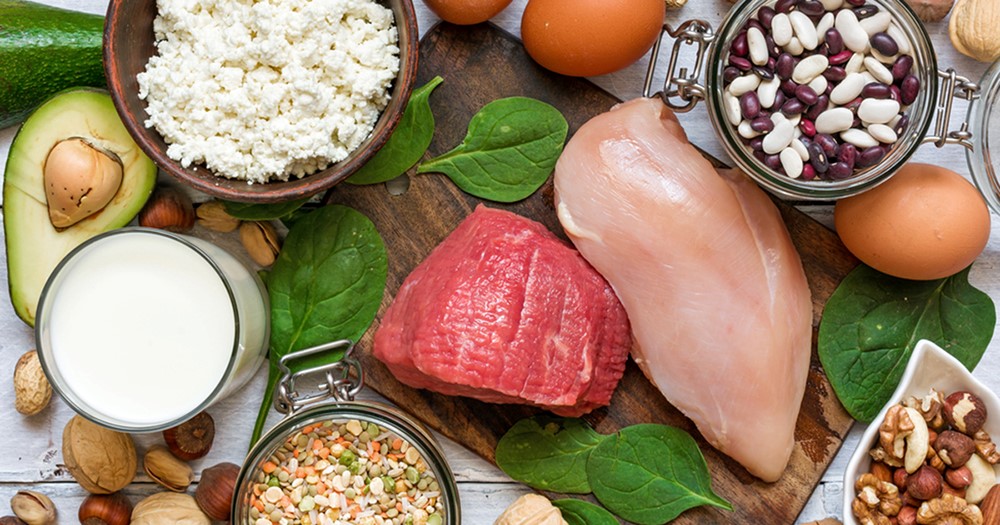
Choose high quality protein
Include good protein sources such as fish, chicken, red meats, egg, sprouts, pulses, milk and milk products such as cheese, paneer, tofu.
Include good fats
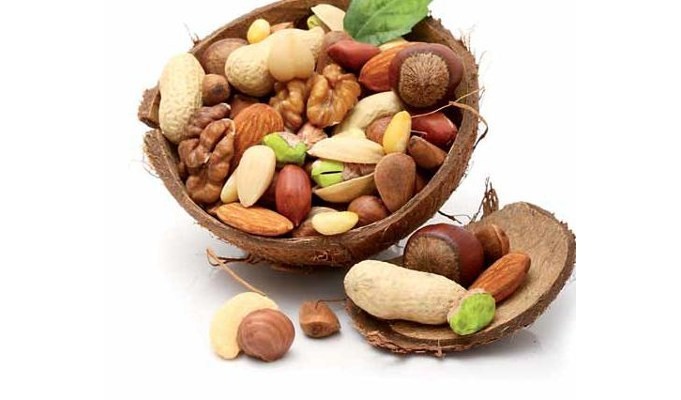
Include ranges of nuts and seeds in your daily diet as they are rich in good fats such as omega fatty acids. Eg-almonds, walnuts, cashew nuts, pista, pumpkin seeds, flaxseeds, melon seeds.
Consider the micronutrients too
Include colorful fruits and vegetables in the form of soups, salads, subzi -as they are rich in pigments such as carotene, anthoxanthin, anthocyanin and lycopene.
Reduce the processed and packaged food intake
High intake of these foods hinders the absorption rate of necessary nutrients. They add bulk to the stomach and make you full and bloated. It is must to avoid colas and tea as they inhibit the absorption of calcium.
Always choose homemade food
Sanitation and hygiene should be considered as this has an impact in the absorption and gut microflora.
Choose traditional food options
Enjoy the variety of foods like adai with chutney, puttu with coconut scrapings, idiappam with non veg curry, pongal with sambar.
Article · Weight & metabolic healthStuck at weight loss plateau? Here’s how you deal with it!
Weight plateau can be quite distressing for individuals who seem to be doing everything right and still don’t see results. It's not about calories –in and calories –out. A holistic approach considering the individual and the factors affecting their environment is essential for change. There are important strategies to consider for tackling weight plateau which help a person lose & maintain a healthy body weight.
Water retention : Your body weight need not be all fat! Quite often food intolerances go unnoticed. Just eating the wrong food can cause water retention. Oats, wheat or dairy products which appear harmless might not be the RIGHT food for you .Elimination diets and some lab tests can help diagnose this issue.
Sugar cravings : Sugar cravings flare up during weight loss program. Vitamin B complex, Magnesium, Manganese, Chromium can manifest strong sugar cravings which often make people lose control and eat the sinful dessert / pastry / cookies .Vegetarians are often under risk if meals are not well planned .Consider glutamine supplements to fix sugar cravings.
Good fats : Going on a zero fat can disrupt normal physiological functions and impact the outcome of a weight loss program. The ratio of omega 3 : Omega 6 is 1:1 or 4:1 for enjoying normal health. With excess use of PUFA rich oils, low fat products and a no ghee, no butter, low fat cheese/ dairy diet plan, we tend to miss essential fats in the daily meals. Grass fed cow’s milk have CLA which helps build lean muscle mass, raw nuts are good sources of OG 3 fats besides our desi ghee or butter in small amounts .
Gut health :A healthy gut is essential for good health and immunity. The gut is like the engine of a vehicle and nutrient absorption can be compromised. Inadequate fibre, frequent use of antibiotics, stress, food intolerance can play havoc to your gut . Watch out for “leaky gut syndrome” which can result due to excessive alcohol, long term use of pharmaceutical products, lactose, gluten, environmental toxins, yeast, parasite, pathogenic bacteria etc . Address this issues with the help of a physician right away.
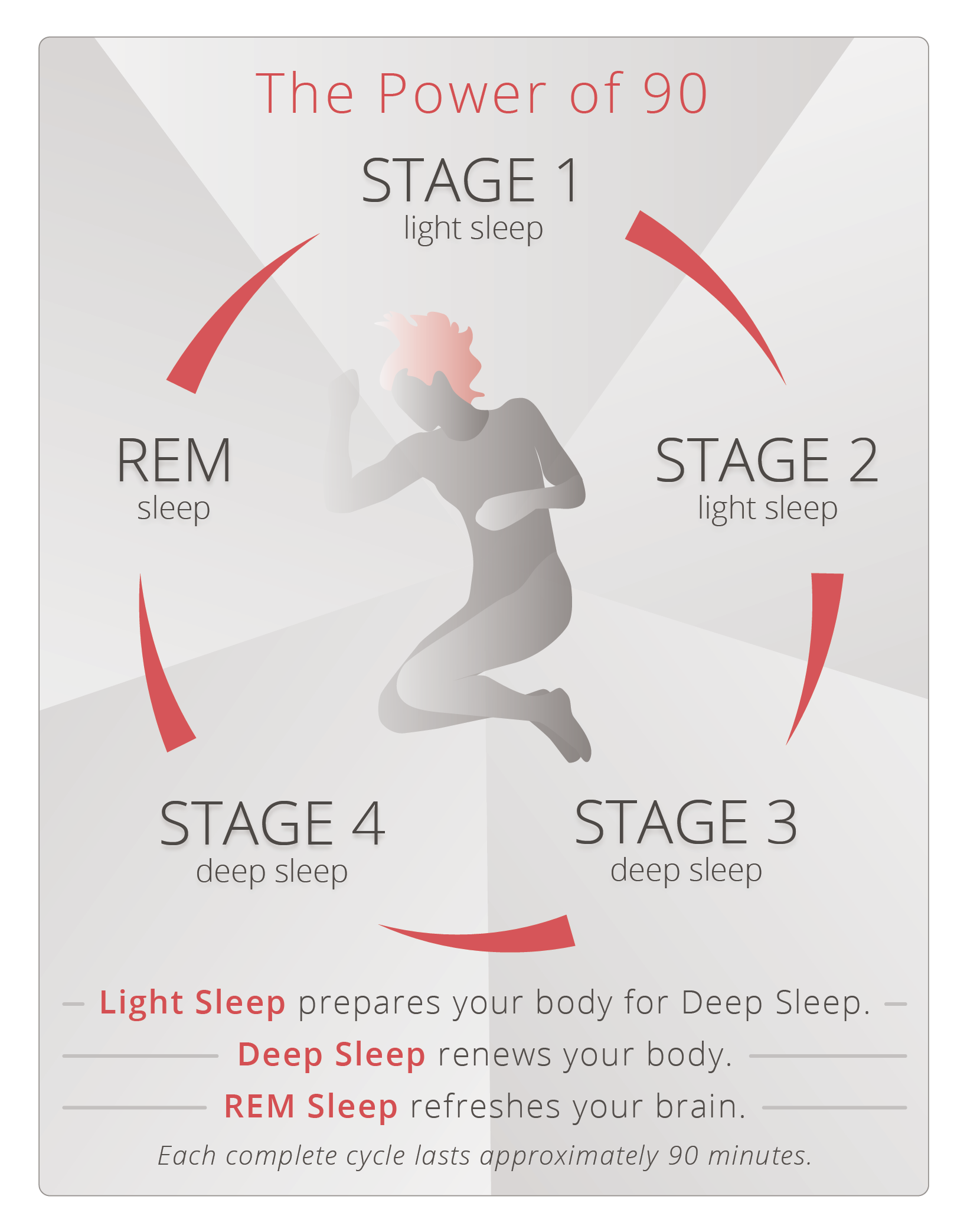
Sleep cycle : Sleep is the best rejuvenator and helps the body to recover from intense workouts. Disturbing the sleep –wake cycle has a big impact on the immunity, hormonal balance and outcome of a weight loss program. For physical and psychogenic repair, getting to bed at 10pm is the best .
Vitamin D3 :This vitamin is essential as it improve muscle strength, lean mass, lose fat , enhance immunity. Low Vit D is associated with decreased pancreatic cell function , affects insulin sensitivity puts one at risk for fat gain. With studies emerging on the impact of Vitamin D on various health issues. Screening for Vit D3 and supplementation helps in weight reduction.
Exercise: Only on cardio workouts do not help in weight reduction. Weight training under the guidance of a qualified fitness professional makes a big impact on increasing lean muscle which in turn boosts metabolic rate. The choice of workouts, progression in intensity, duration of exercise help in fat loss. Checking body composition (lean vs body fat) is more
important than focussing only on body weight . Use a skin fold calliper or DEXA for monitoring body composition.
Other factors :
Managing stress is of utmost importance. High cortisol levels leads to the expanding of waist line and the best way to handle is meditation, Tai chi, yoga .Emotional eating is another factor for weight gain. The role of a psychologist is immense in handling such situations.




Myth & fact · Weight & metabolic healthMYTH 1: Egg Yolks are bad for you. They shoot up your Cholesterol Level
Fact: Media has done one good job of scaring you away from perfectly healthy foods.
Eggs have been demonized because their yolks, which are chock-full of nutrients, contain high levels of cholesterol. To be more Precise, in clinical trials, no association was found between eggs and cardiovascular disease, except maybe in some people with specific pre-existing conditions such as diabetes or hyperglycemia.
Truth: Eggs are a great source of protein, fats,biotin and other nutrients. Their association with high cholesterol and cardiovascular disease has been severely overblown.

Myth & fact · Weight & metabolic healthMYTH 4: To lose weight, you have to give up all your favourite foods.
Fact: You don’t have to give up all your favorite foods when you’re trying to lose weight. Small amounts of your favorite high-calorie foods may be part of your weight-loss plan. Just remember to keep track of the total calories you take in.
Truth: To lose weight, you must burn more calories than you take in through food and beverages.

Myth & fact · Weight & metabolic healthMYTH 7: All Calories Are Created Equally
Fact: Eating 300 calories of chicken is not the same as eating 300 calories of cake. The body uses and stores calories differently depending on the nutrients each food is comprised of.
Truth: Instead of going about with counting calories, study the nutritional composition of the food. That will help you remain healthy.

Myth & fact · Weight & metabolic healthMYTH 8: Being slim means you’re healthy
Fact: This myth is a tough one to let go of, because our society is so focused on body size. Everywhere we look, society seems to tell us that being slender is more desirable. Luckily, this myth is starting to dissolve. Research suggests that overweight people who are active can be healthier and live longer than slimmer people who don’t exercise. We all have different body types, and it’s about time we stopped focusing on size and shifted our focus on developing healthier habits.
Truth: Eat healthy, Exercise Regularly. This is the Mantra for a happy and Healthy life.

Hormones & fertility 2 items
Article · Hormones & fertilityLET’S GET REAL WITH PCOS!
LET’S GET REAL WITH PCOS!
I have received multiple enquiries and emails from women interested in losing weight with PCOS, but they can’t afford a gym membership or a personal trainer. Having all of those luxuries would certainly be helpful! But the truth is you do not need them. And I believe you should not wait until you can afford them to start putting your health first because there are other means like going for a 6km brisk walk or managing to walk 10000 steps a day or practicing yoga regularly that are cost effective and equally efficient.
Women who lose weight with (PCOS) do three very important things:
- Exercise
- Eat a nutrient-dense diet
- Reduce their stress
LET’S UNDERSTAND WHAT PCOS ACTUALLY IS
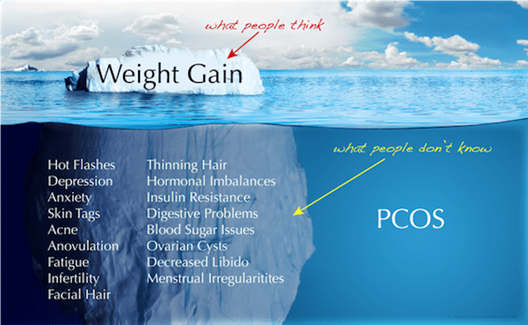
Polycystic Ovary Syndrome, widely known as PCOS, is an endocrine system disorder that affects women in their reproductive years. Small fluid-filled sacs develop on the ovaries and it is said to affect 8–12% of women.
Women with PCOS are more likely to be overweight or obese because the hormonal imbalances associated with PCOS can cause unexplained weight gain, make it difficult to lose weight, and increase cravings.
Even modest weight loss can lessen PCOS symptoms by reducing inflammation, but it seems hard to do because of haywire hormones and metabolism and is one of the most frustrating aspects of PCOS. The medical community is constantly telling their PCOS patients. “Just lose weight and you’ll see improvement in your symptoms.”
7 TIPS FOR LOSING WEIGHT WITH PCOS THAT WON’T COST YOU A PENNY!
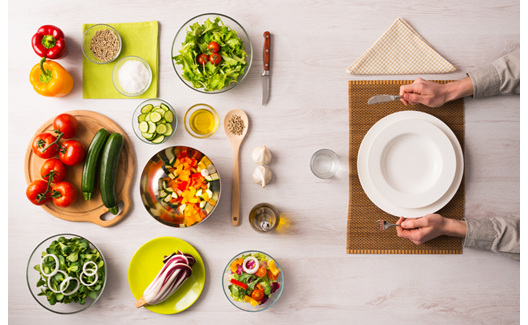
1. Eat without distraction
Eating while in front of a television, tapping away on a laptop, or driving is not just a choking hazard! People who eat distracted eat more.
2. Yoga
Yoga works on the neuro endocrine system and helps in stabilising hormonal imbalances as in PCOS. Yoga asanas for PCOS work if complemented with changes to diet and lifestyle. Yoga helps in strengthening the organs and body systems affected by PCOS and also reduces the stress that can aggravate the condition. I would personally recommend you seek help from a certified yoga teacher for effective results.
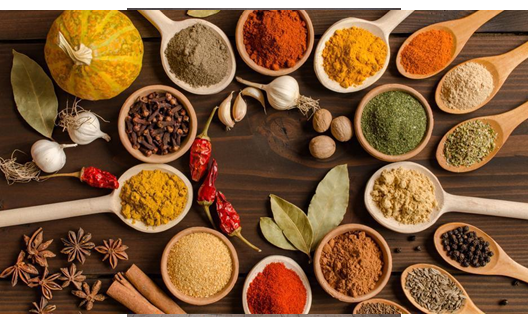
3. Sprinkle on the spice
Spices are a great way to boost your level of satisfaction from a meal. Human behavior researchers have found that when people have a stronger sensory experience while eating they tend to feel more satisfied and eat less.
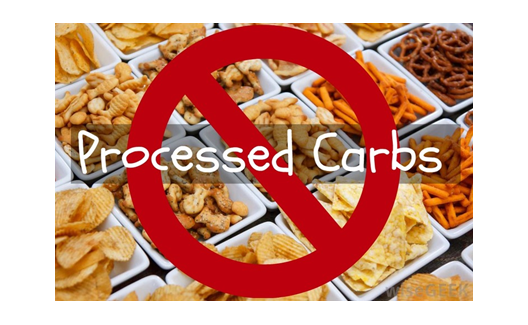
4. Eat fewer processed carbohydrates
In every PCOS diet I recommend, the majority of your carbohydrates are from fruits, vegetables and beans. Unfortunately, the average person tends to get most of their carbohydrates from processed grain products like cereal, pasta, sandwich breads, and sugar.High GI fruits like chikoo, jackfruit, grapes, mango are best avoided. Apple, pear, gauva, orange, sweet lime, plum, Indian berries,pomegranate, pineapple and papaya are most suitable in the right portion sizes. Among vegetables, roots, tubers, yellow pumpkin, corn are best avoided. Gourds, beans, plantain stem and flower, cruciferous vegetables , leafy greens are the best options.
5. Practice the art of mindful eating
Mindful Eating is a practice that Buddhist monks have been adhering to for hundreds of years. The concept is simple: bring attention and focus to eating. Mindful eating has been shown to help chronic overeaters reduce stress and caloric intake. Both of which are helpful in losing weight.
6. Get eight hours of sleep each night
Not getting enough sleep at night is a serious health risk and it can hinder your weight loss efforts. Sleep deprivation can affect the hormones that control your hunger levels.
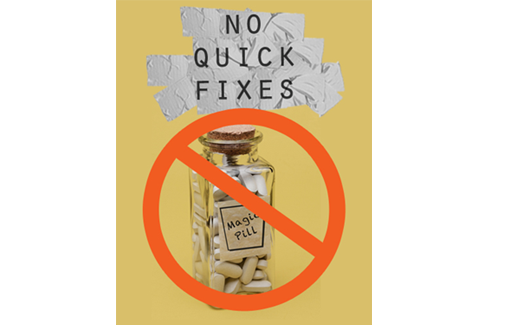
7. Stop looking for quick fixes
If you have PCOS, losing weight is about more than just being thin. Managing your weight will help you protect yourself from PCOS-related complications like infertility and diabetes. Focus on making small meaningful changes to your lifestyle and eventually the numbers on the scale will reflect the healthy choices you’re making!



Article · Hormones & fertilityNutrition for Pregnant and Lactating Women
Pregnant and lactating mothers needs to maintain a very healthy diet with extra calories. When the required amount of nutrients is not sufficient from your diet, the body itself will provide them from your own stores. So make sure you get all the nutrients you and your baby needs. It is beneficial for both mother and baby.
During pregnancy additional nutrients are required:
Energy and protein:
- Growth and development of fetus
- To meet the needs of basal metabolic rate
Omega fats:
- Essential for Brain development and prevents preterm births
- Required for fetal visual development
Calcium:
- Bone and teeth development
- Reduces the risk of hypertension in mothers
- Aids in proper muscle contraction
Iron:
- Fetal growth
- Expansion of maternal tissues including red blood cell mass
- Maintaining additional iron content of placenta
- Building iron stores in fetal liver
- Compensate blood loss during delivery
Folic acid:
- Prevents foetal neural tube defects
- Improves birth weight of foetus
Zinc:
- Synthesis of nucleic acids
- Prevents poor pregnancy outcomes and congenital malformations
Apart from these nutrients iodine, Vitamin A, D, K, B 12, C, B6, B1 are also essential for fetal growth and healthy outcome.
Foods to be included:
- Eat a variety of foods to get all the nutrients you need (cereal, pulses, greens, colourful vegetables, fruits, meat, poultry, fish, eggs and nuts)
- Choose high fiber fruits and vegetables (plantainstem, avarakkai, kovakkai, kothavarangai, beans, broccoli, cabbage)
- Make sure to drink enough liquids when you increase the fiber intake
- Calcium rich foods (milk, buttermilk, paneer, cheese)
- Iron rich foods (lean meats, keerai, millets)
- Vitamin C rich foods (lemon juice, orange, guava, amla, grapes, strawberries)
- Folic acid rich foods (drumstick leaves, mint, coriander, sirukeerai, manathakkali)

Gut health & digestion 1 items
Article · Gut health & digestionHealthy gut = Healthy you
Healthy gut = Healthy you
"What we eat determines how well our digestion works" - Alex Jamieson
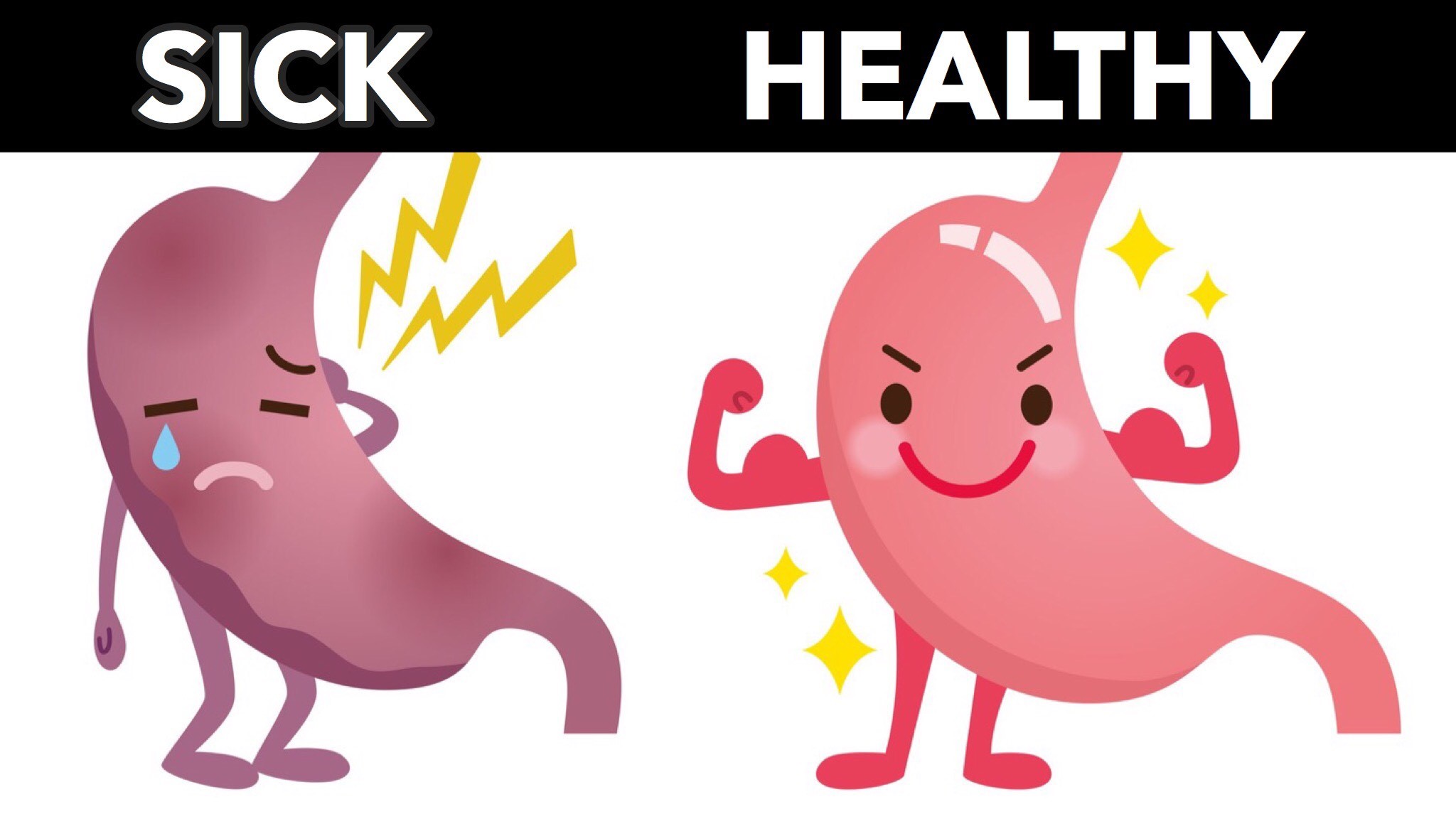
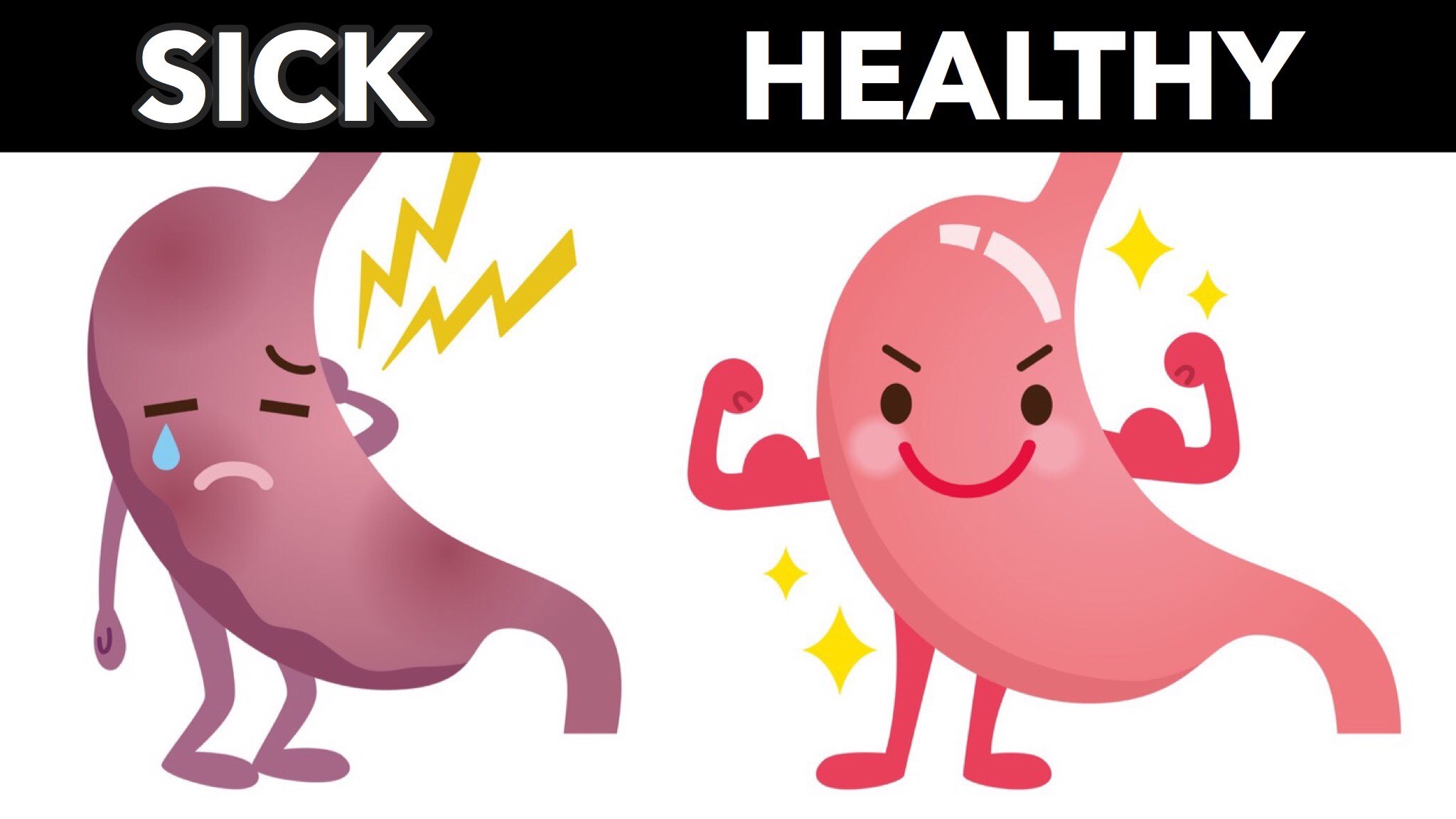
In recent times, the complaint of digestive issues is often addressed. It could begin with stomach bloating, constant burping, passing gas, frequent loose stools, indigestion. The common causes for these discomfort are due to stress, sedentary lifestyle, microbial infections, lactase deficiency, drug induced side effects, wrong food choices, excess intake of alcohol. If not taken care ,it eventually weakens the lining of the gastrointestinal tract leading to digestive disorder or disease.
MOST COMMON DIGESTIVE ISSUES
- Food Intolerance
- Celiac disease
- Bloating
- Burping
- GERD
- Constipation
- Diarrhea
THIS IS HOW YOU PREVENT IT
Know Your Digestive Triggers
From person to person the triggers varies. Try to pinpoint the triggers and ask yourself these questions.
- What foods, beverages, and eating patterns seem to upset your digestive tract? For example -Coffee, dairy products, and carbonated drinks.
- Do certain events and situations seem to trigger your digestive problems?
- Does travel make you unravel?
- Do menstrual hormones wreak havoc with your digestion?
- Does stress seem to cause or aggravate digestive problems?
To help you make these connections, keep a journal of what you eat and drink, what medicines and supplements you take, and daily events. In time, you may see a correlation between one or more of these factors and episodes of digestive problems.
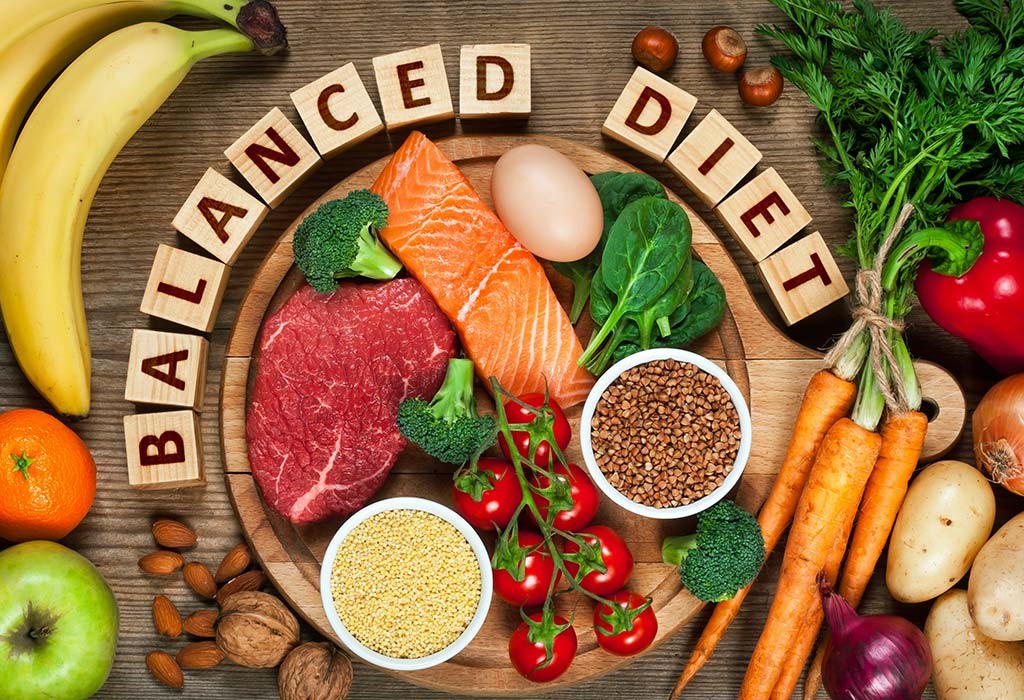
A Balanced Diet Keeps Digestion on Track
- Eating right can help to soothe your digestive system when problems flare up. Pay attention to portion sizes, as well as how often and how quickly you eat.
- What to eat depends partly on the specific cause of your digestive problems as well as what foods you’re sensitive to.
- Gradually add more fibre to your diet. Fiber-rich foods add bulk to your stools, which helps regulate your digestion. Increase your fiber intake gradually to prevent bloating, gas, and diarrhea.
- Eat several small meals throughout the day to prevent the sudden bowel contractions that large meals can cause.
Stay Hydrated, but Drink with Care
- Water is good for normal bowel function. Water also helps keep stools soft but solid and well-formed. Avoid drinking beverages such as coffee or soda if you think they trigger your digestive problems.
- When diarrhoea strikes, it’s important to keep hydrated to avoid dehydration. Water and sports drinks (which replace lost minerals called electrolytes) are good choices. Caffeine and alcohol can worsen dehydration.
Practice Healthy Hygiene for Better Digestion
Always wash your hands thoroughly with soap (optional) and warm water after you use the bathroom and before eating or preparing food. This helps prevent transmitting potentially dangerous bacteria to your food.
Manage Stress for Digestive Tranquillity
Having frequent digestive flare-ups can be, in itself, a stress factor. You may be able to relieve stress with relaxing pursuits such as exercise, yoga, meditation, or a favourite hobby.
Seek Support for Digestive Problems
Don’t try to hide your digestive problems from family, friends, and caregivers. Help them understand how, when, and why digestive problems affect you. Explain what they can do to support you emotionally and practically. Let them know what your self-care plan is. Inform them that problems such as diarrhea or gas pains may strike unexpectedly when you’re with them.
Beware of Miracle Cures for Digestive Problems
Alternative digestive treatments such as colon cleansing and fasting are widely touted in some articles and advertising. Although some alternative treatments show promise, many are expensive, ineffective, or downright dangerous.
“One man’s food can be other man’s poison” – So always consult your doctor/dietitian before trying any alternative therapy or supplement.



Press & features 24 items
Press feature · Press & features
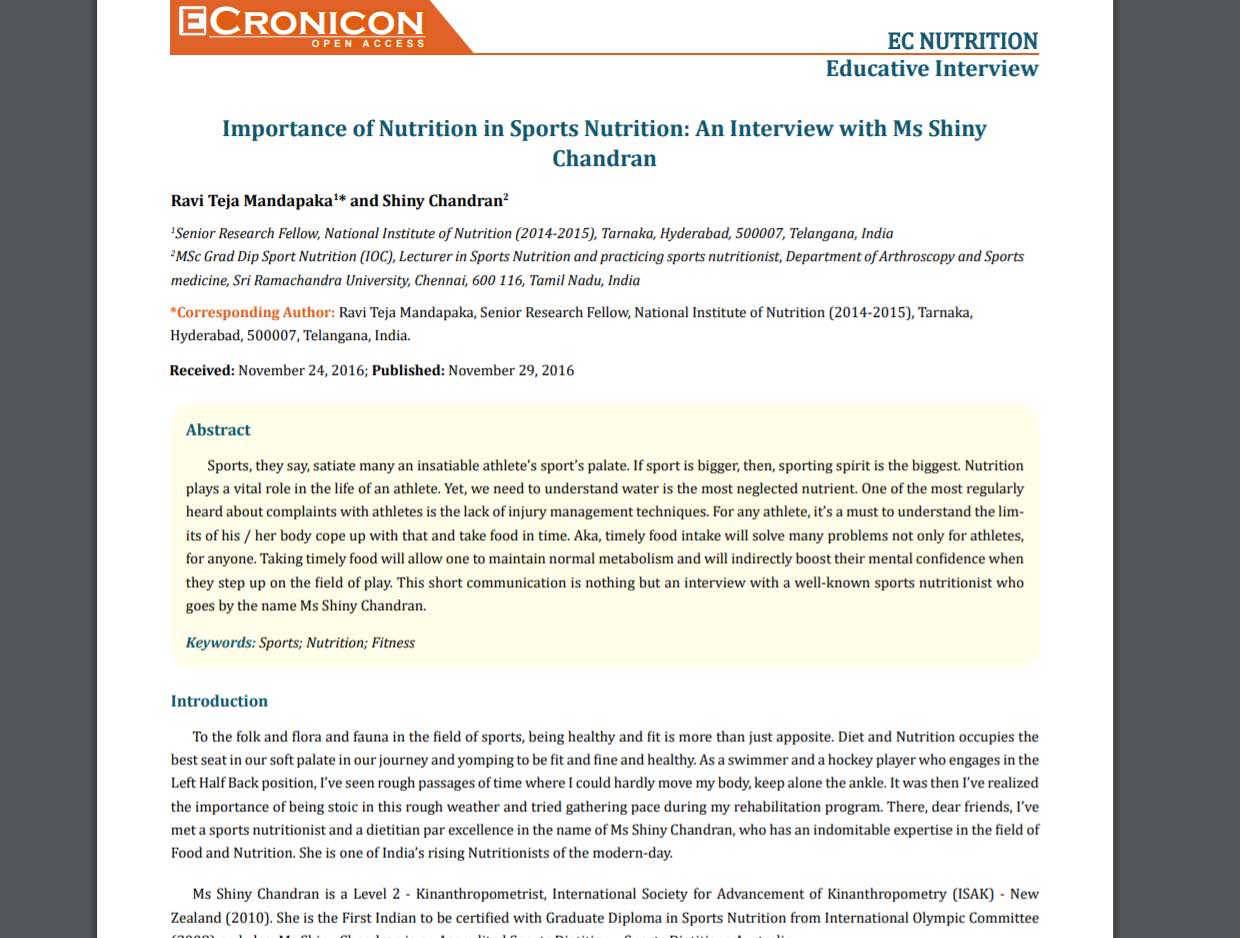
E-Cronicon
Historical publisher link (opens in a new tab)The original publisher link may no longer be available; the published image is preserved above.
Press feature · Press & features
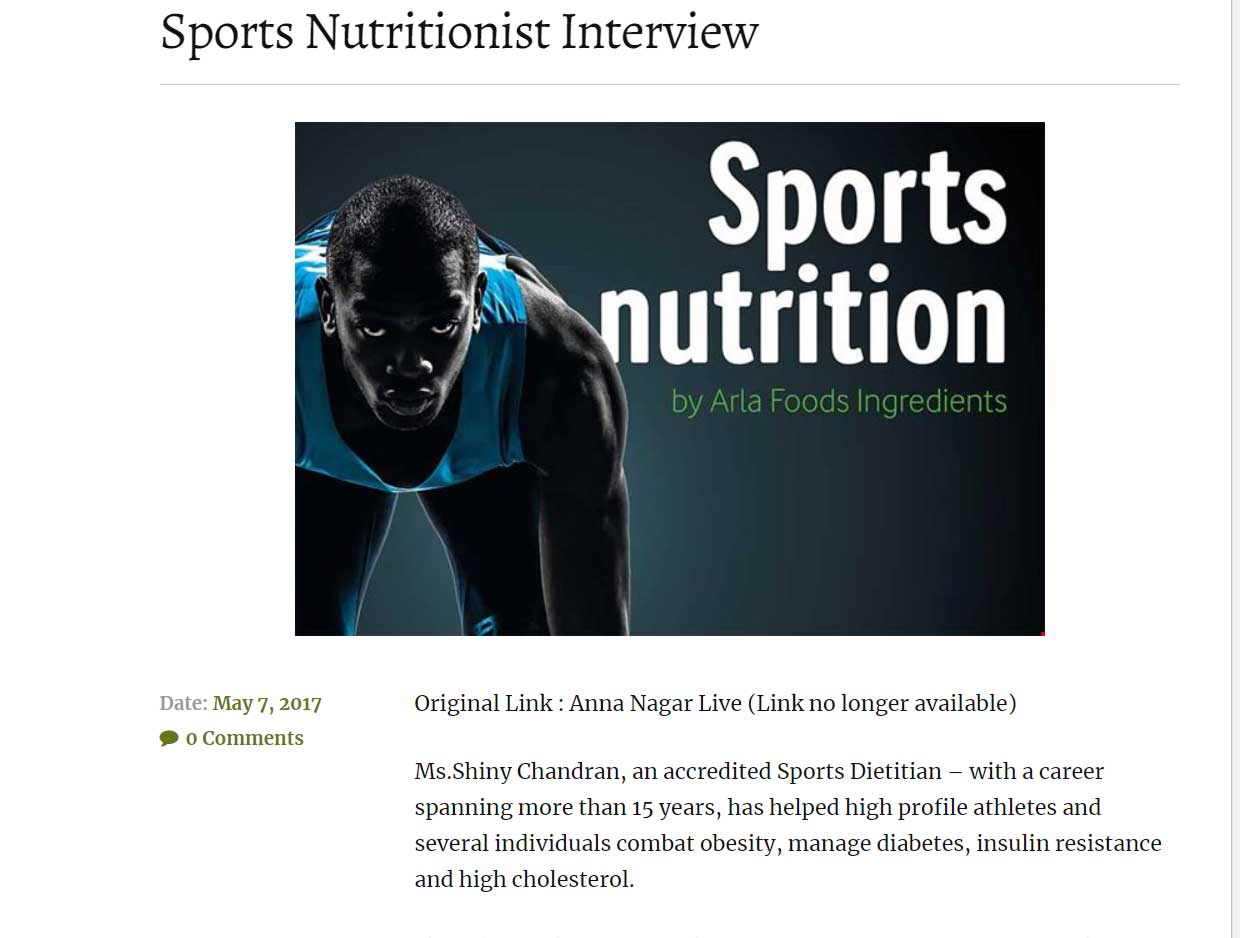
Sports Nutritionist Interview
Read on the publisher’s site (opens in a new tab)Press feature · Press & features

Diet guidance feature
vikatan
Read on the publisher’s site (opens in a new tab)Press feature · Press & features

Interview in Tamil Magazine
Read full-size feature (opens in a new tab)Press feature · Press & features

Femina Tamil Magazine
Read full-size feature (opens in a new tab)Press feature · Press & features
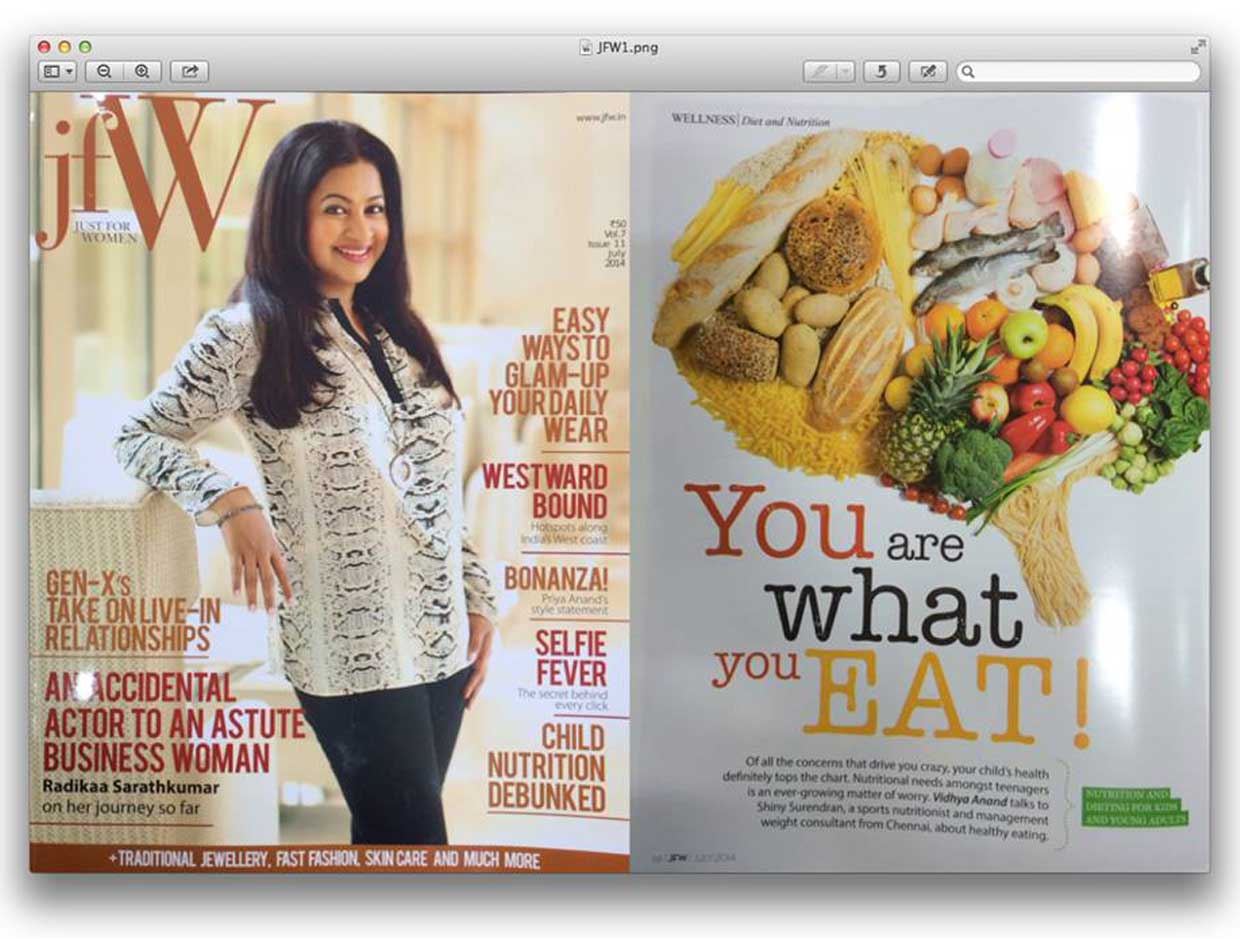
JFW 2014
Read full-size feature (opens in a new tab)Press feature · Press & features
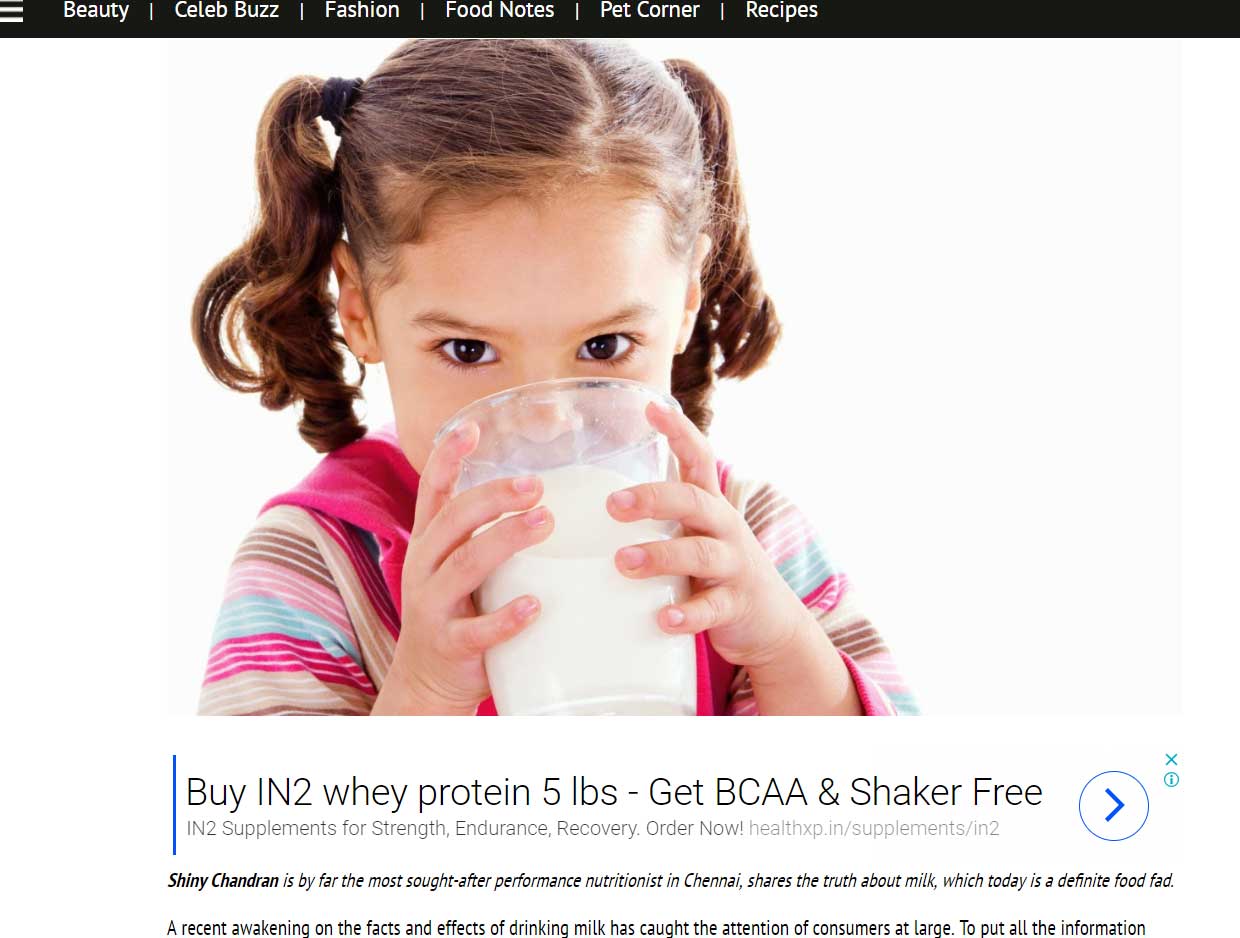
Dairy alternatives
Just For Women
Read on the publisher’s site (opens in a new tab)Press feature · Press & features

Nutrition for healthy skin and hair
Optim health
Read on the publisher’s site (opens in a new tab)Press feature · Press & features
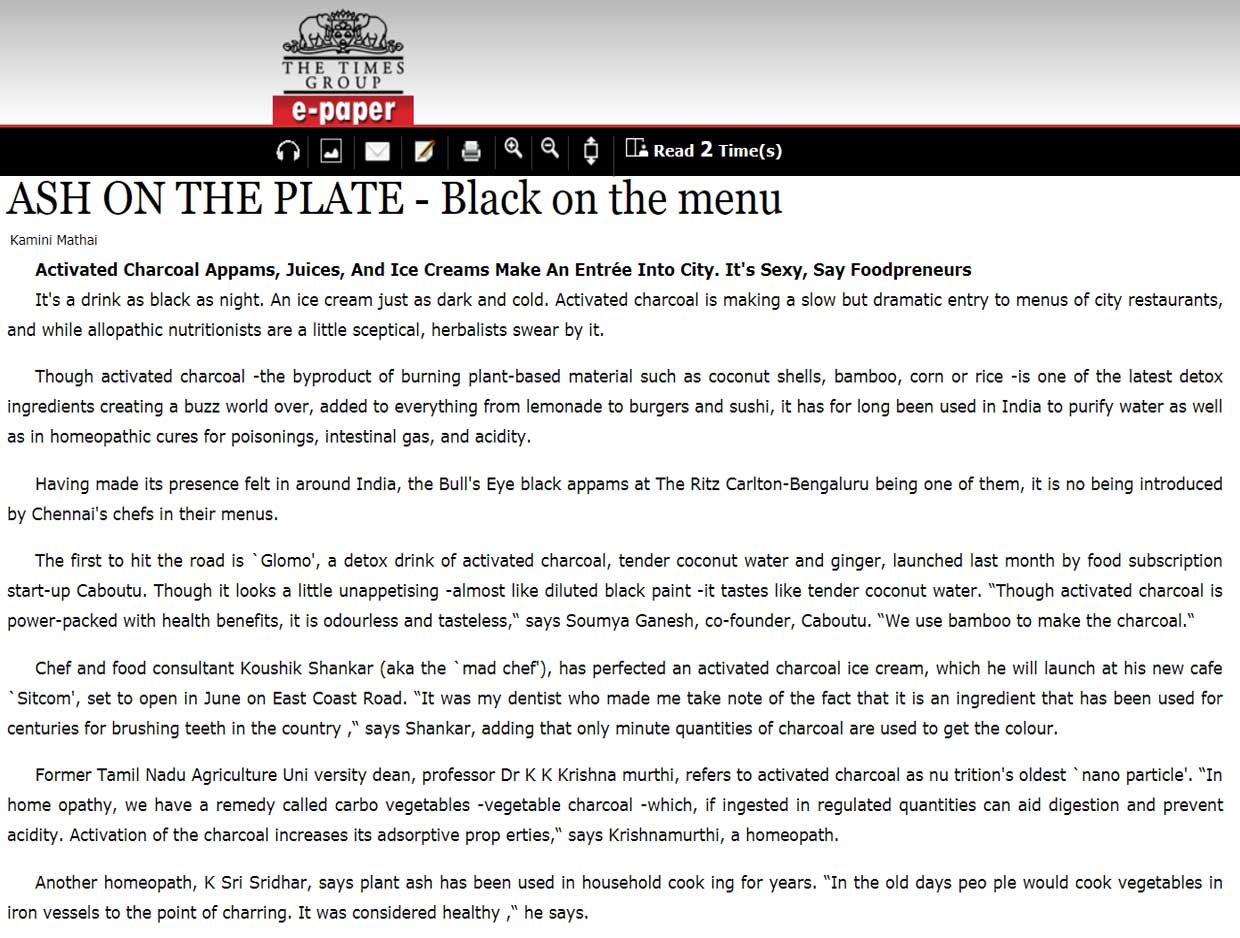
Ash on the plate
Times Of India
Historical publisher link (opens in a new tab)The original publisher link may no longer be available; the published image is preserved above.
Press feature · Press & features

You are what you eat
The Hindu
Read on the publisher’s site (opens in a new tab)Press feature · Press & features

Kungumam Thozhi 2014
Read full-size feature (opens in a new tab)Press feature · Press & features

Kungumam Thozhi 2015
Read full-size feature (opens in a new tab)Press feature · Press & features
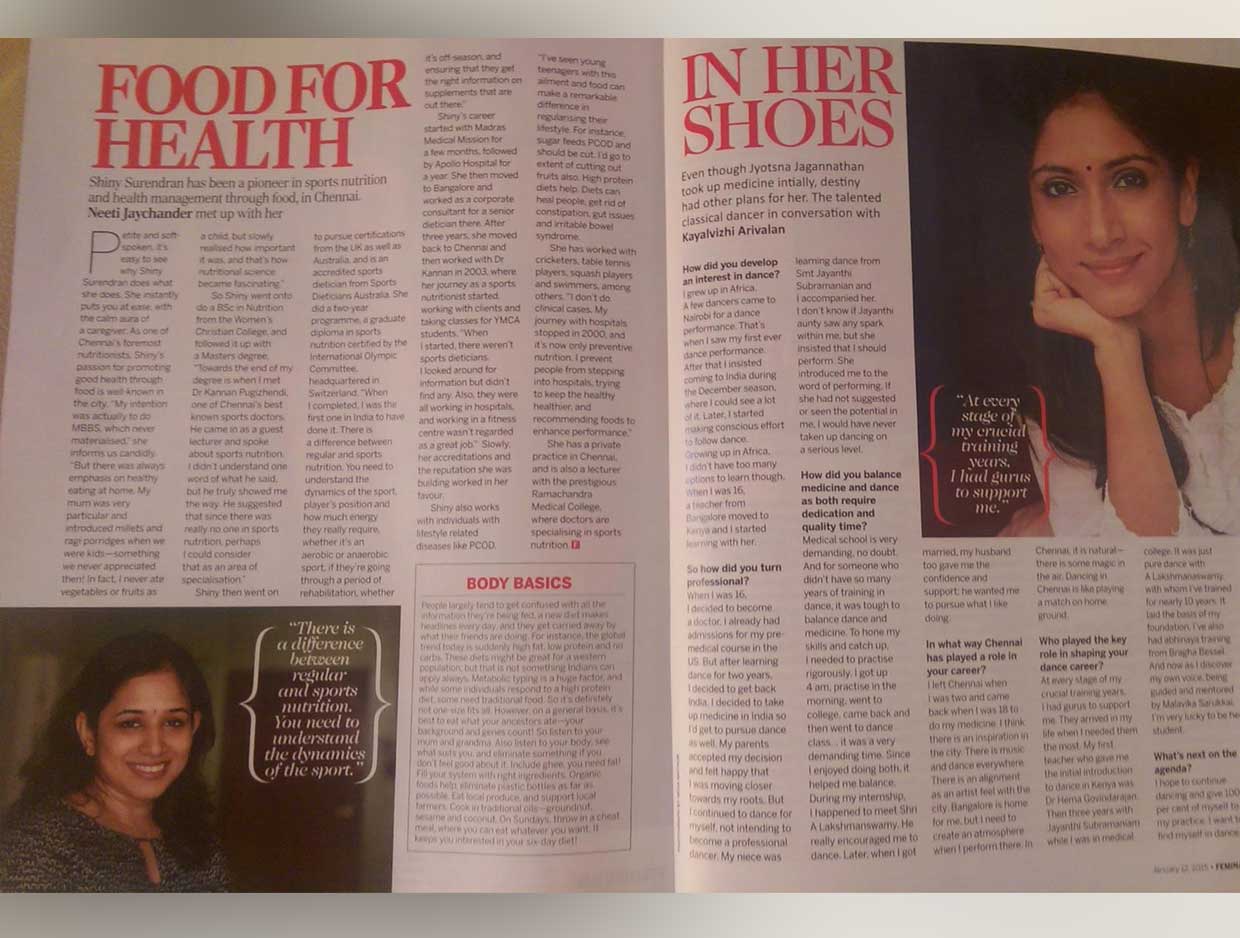
Femina 2015
Read full-size feature (opens in a new tab)Press feature · Press & features

JFW 2018
Read full-size feature (opens in a new tab)Press feature · Press & features
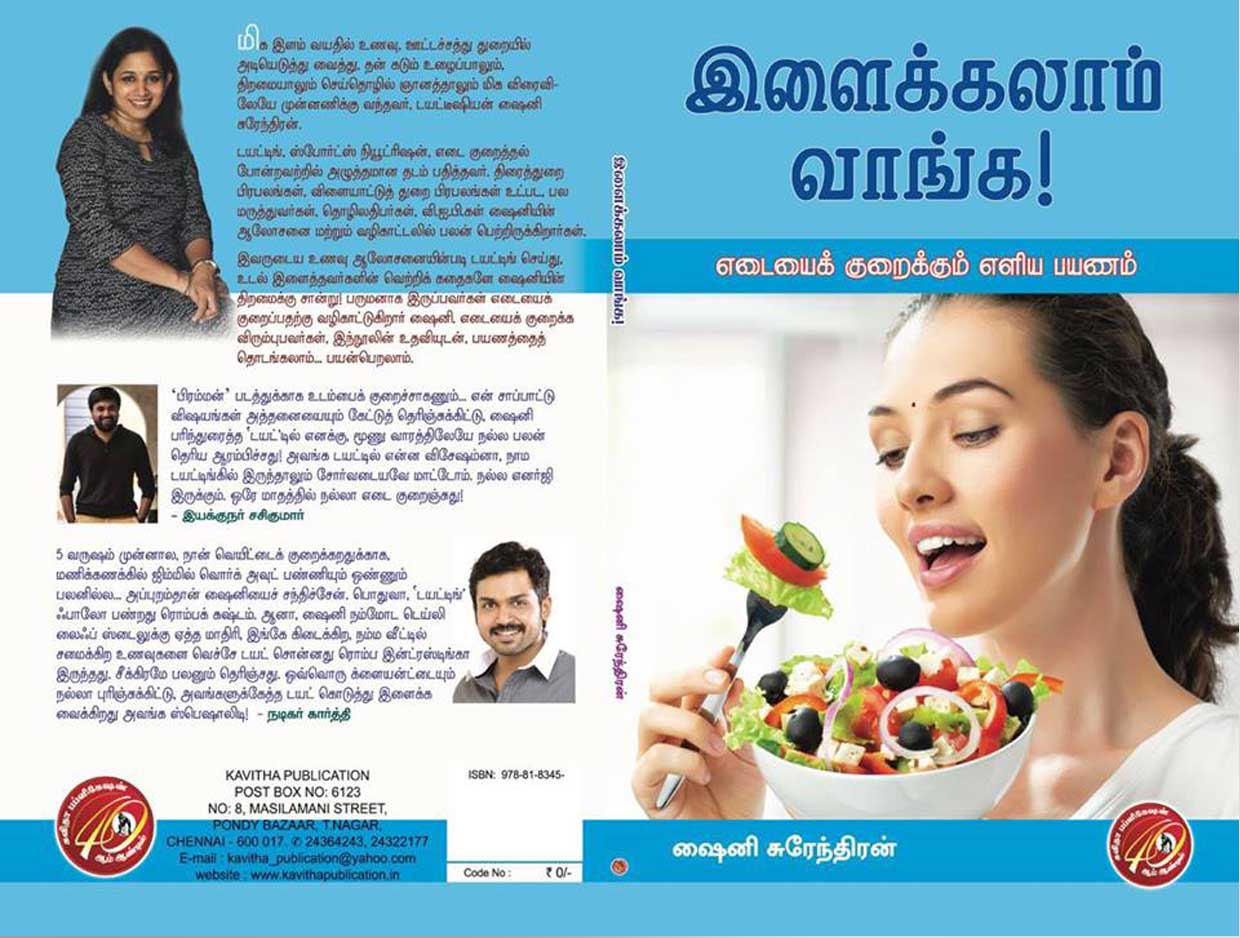
Tamizh Book On Weight Loss
Read full-size feature (opens in a new tab)Press feature · Press & features

Tone up Before Wedding
Read full-size feature (opens in a new tab)Press feature · Press & features

WE Magazine
Read full-size feature (opens in a new tab)Press feature · Press & features

Food for immunity
India Express Indulge
Read on the publisher’s site (opens in a new tab)Press feature · Press & features
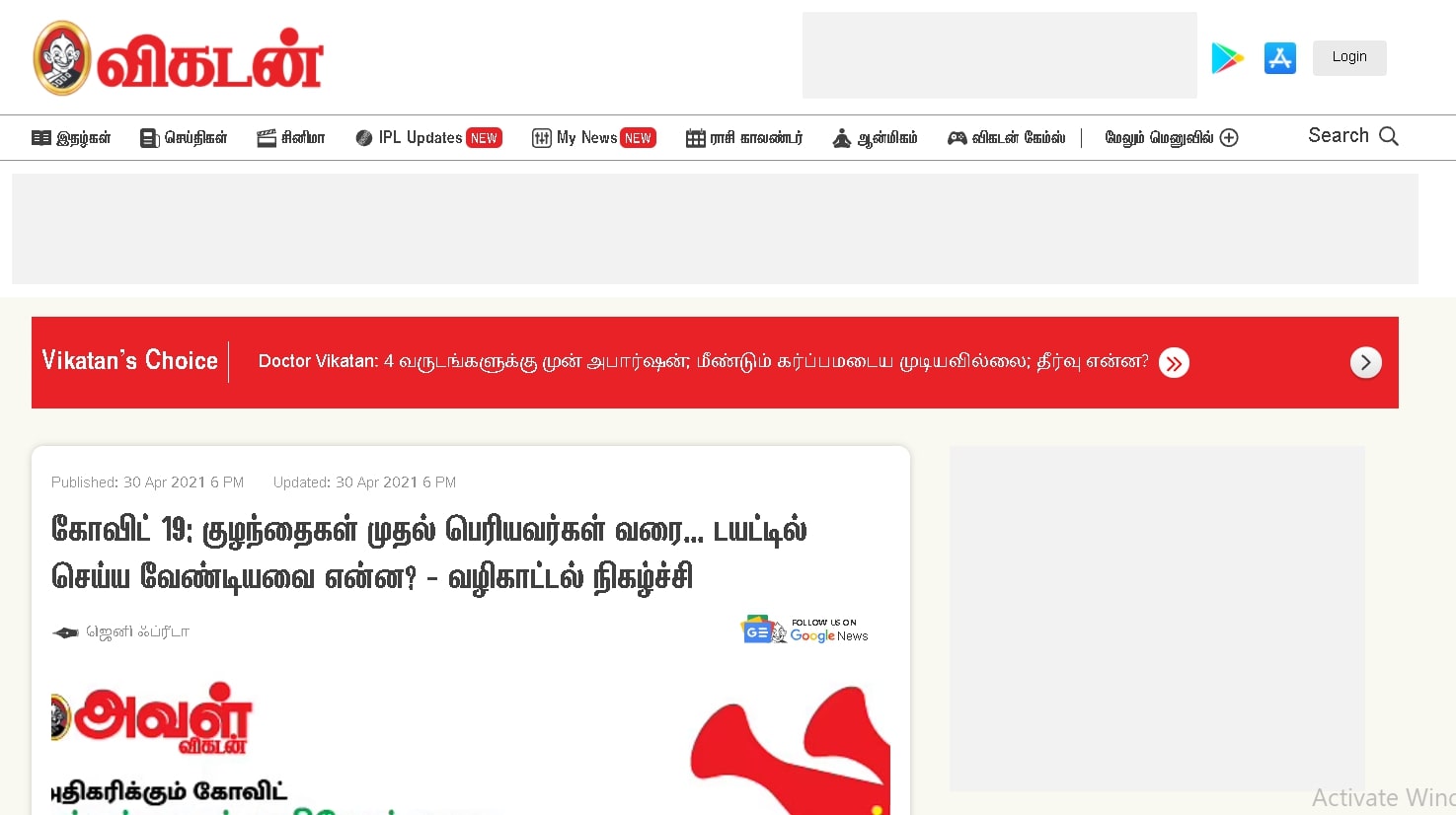
Diet guidance during the pandemic
Vikatan
Read on the publisher’s site (opens in a new tab)Press feature · Press & features

Think twice before you take to keto
The Times Of India
Read on the publisher’s site (opens in a new tab)Press feature · Press & features
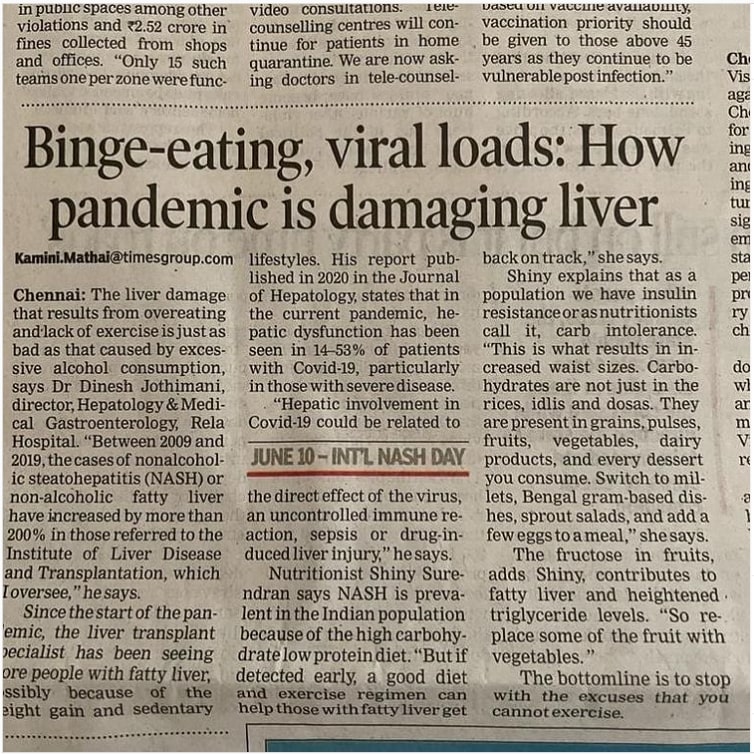
Published Instagram feature 3
Read on the publisher’s site (opens in a new tab)Press feature · Press & features

Published Instagram feature 4
Read on the publisher’s site (opens in a new tab)Press feature · Press & features
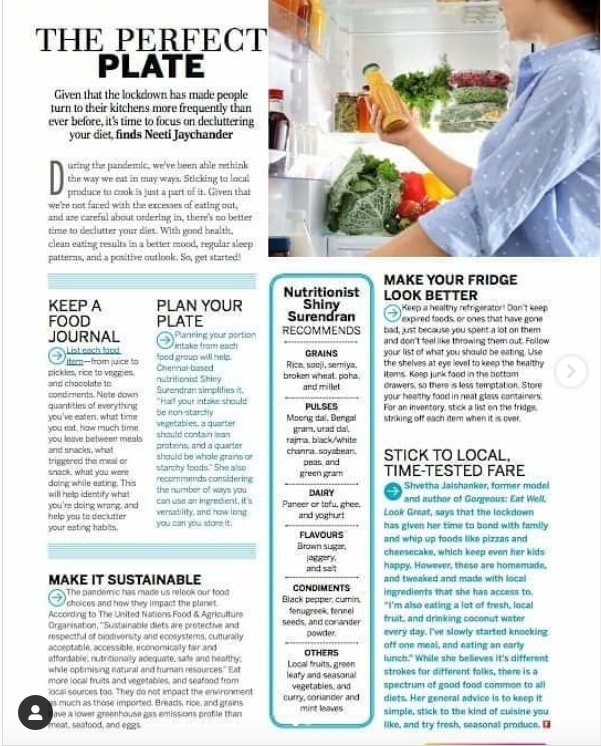
Published Instagram feature 2
Read on the publisher’s site (opens in a new tab)Press feature · Press & features

Published Instagram feature 1
Read on the publisher’s site (opens in a new tab)No matches yet. Try another word or clear the filters.
Previously published material is retained in full. Videos open in the on-site player; articles open in the adjustable reader.